From Soil to Solution: Four Years of Impact with the SARA Programme
11 March 2026
11 March 2026
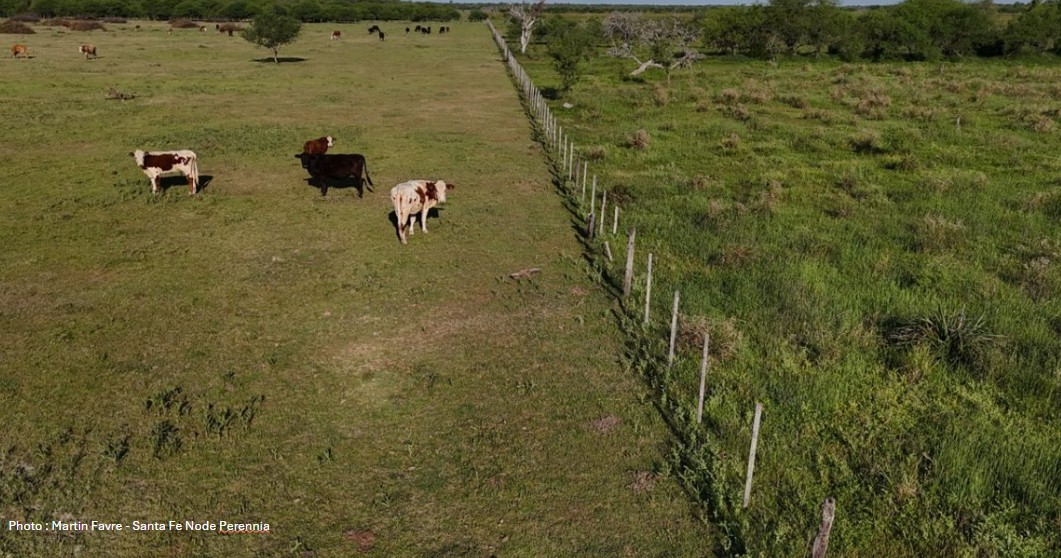
Finding the right balance between sustainable farming and environmental protection has never been more critical. Over the past four years, the South American Regenerative Agriculture (SARA) programme developed by Anthesis Group and the Regenerative Agriculture Platform Ruuts, in collaboration with local partners Ovis 21 (Argentina), De Raiz (Paraguay), and Efecto Manada (Chile), has demonstrated that regenerative agriculture is not only viable, but also a powerful nature-based solution to climate change. It boosts productivity, restores ecosystems, and strengthens rural resilience.
SARA has now reached a major milestone: Verra issuance under the VM0042 Agricultural Land Management methodology. This achievement signals international recognition of the programme’s scientific rigour and credibility in the voluntary carbon market (VCM).
Since launching in October 2019, the SARA programme has grown to over 130 farms across 150,000 hectares. Through a combination of regenerative grazing practices and data-driven land management, the programme has delivered transformative results:
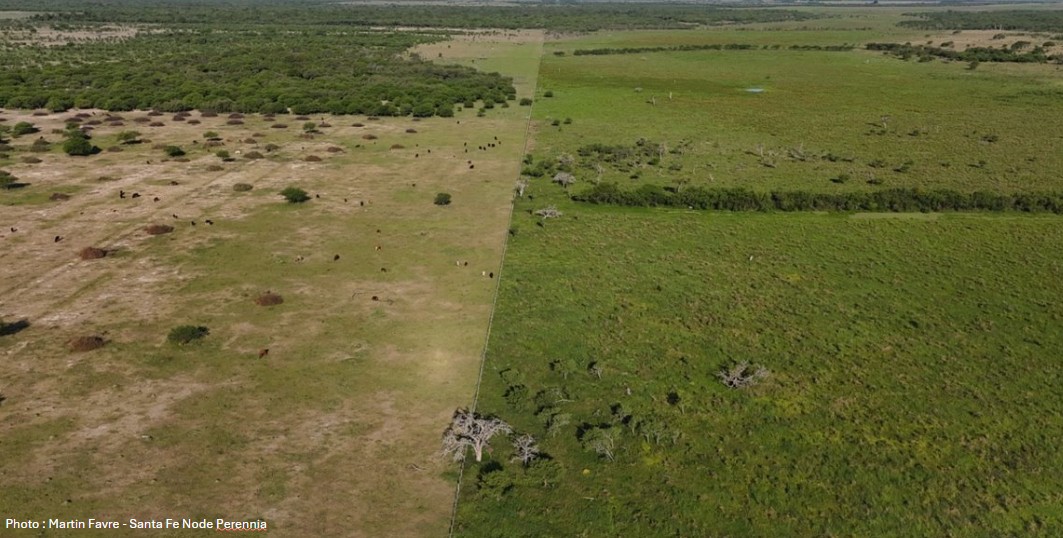
SARA is delivered in collaboration with Ovis21 and Ruuts, whose expertise in adaptive grazing management ensures livestock are part of the climate solution, not the problem. Key features include dynamic grazing plans, long-term ecological monitoring, and a land health scoring system in which scores above 20 signify enhanced sequestration potential.
SARA is part of a broader ecosystem of climate and nature initiatives developed by Anthesis. In South Africa, the AgriCarbon programme became Africa’s first regenerative agriculture programme to receive Verra-certified carbon credits and only the second programme globally under the VM0042 methodology. Earlier this year, our third programme was launched in Brazil.
Independent scientific measurements recorded soil carbon gains as high as 7.7 tCO₂e per hectare per year on one pioneer farm, while ecological monitoring shows increases in vegetation richness, soil microbial activity, and water infiltration capacity.
The programme has trained more than 1,500 farmers and field professionals across 15 regional hubs, building long-term capacity to scale regenerative grazing across South America.
During one of the most severe droughts in Argentina and Chile, SARA farmers maintained forage growth. Many were even able to expand their herds while neighbouring farms were forced to sell stock. This demonstrates the resilience benefits of regenerated soils.
Join us in driving sustainable change – one farm at a time.
We are the world’s leading purpose driven, digitally enabled, science-based activator. And always welcome inquiries and partnerships to drive positive change together.