Agroforestry in India
Restoring degraded farmland through agroforestry while delivering long-term climate, environmental and livelihood benefits
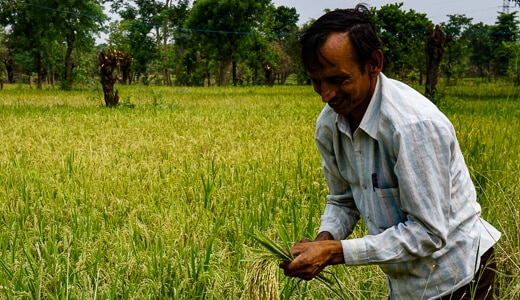
This agroforestry project in India integrates trees into existing agricultural systems to sequester carbon, restore soil health and strengthen the resilience of farming communities. By diversifying more than 4,000 hectares of farmland, the project delivers meaningful climate mitigation while supporting sustainable agricultural practices for generations to come.
Through the large-scale adoption of agroforestry, the project captures carbon in above- and below-ground biomass and soil organic carbon, while reducing pressure on water resources and improving biodiversity. In parallel, it creates new income streams for farmers through increased productivity and carbon finance, supporting a just and inclusive transition to climate-resilient agriculture.

Location: Punjab, India
Project type: Agroforestry







This project contributes to multiple UN Sustainable Development Goals, delivering measurable environmental and social outcomes.
The project is located in Punjab, northern India, a region often referred to as the “Granary of India” due to its fertile plains and significant contribution to national food production. Punjab has historically relied on intensive rice–wheat cropping systems, which, while critical to food security, have resulted in soil nutrient depletion and severe groundwater stress.
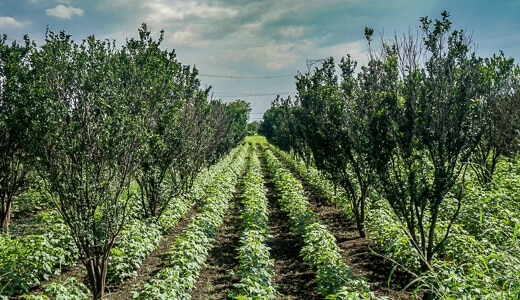
Agroforestry offers a sustainable alternative by integrating trees with crops, mimicking natural ecosystems and restoring ecological balance. Farmers plant a mix of native and non-native species within existing agricultural plots, including Eucalyptus, Poplar, Shisham, Drek, Chandan and Teak. This diversified planting approach enhances carbon sequestration, improves soil health and provides additional economic outputs from the same land.
By transitioning away from monoculture systems, the project supports long-term food security while restoring degraded land and strengthening rural livelihoods.
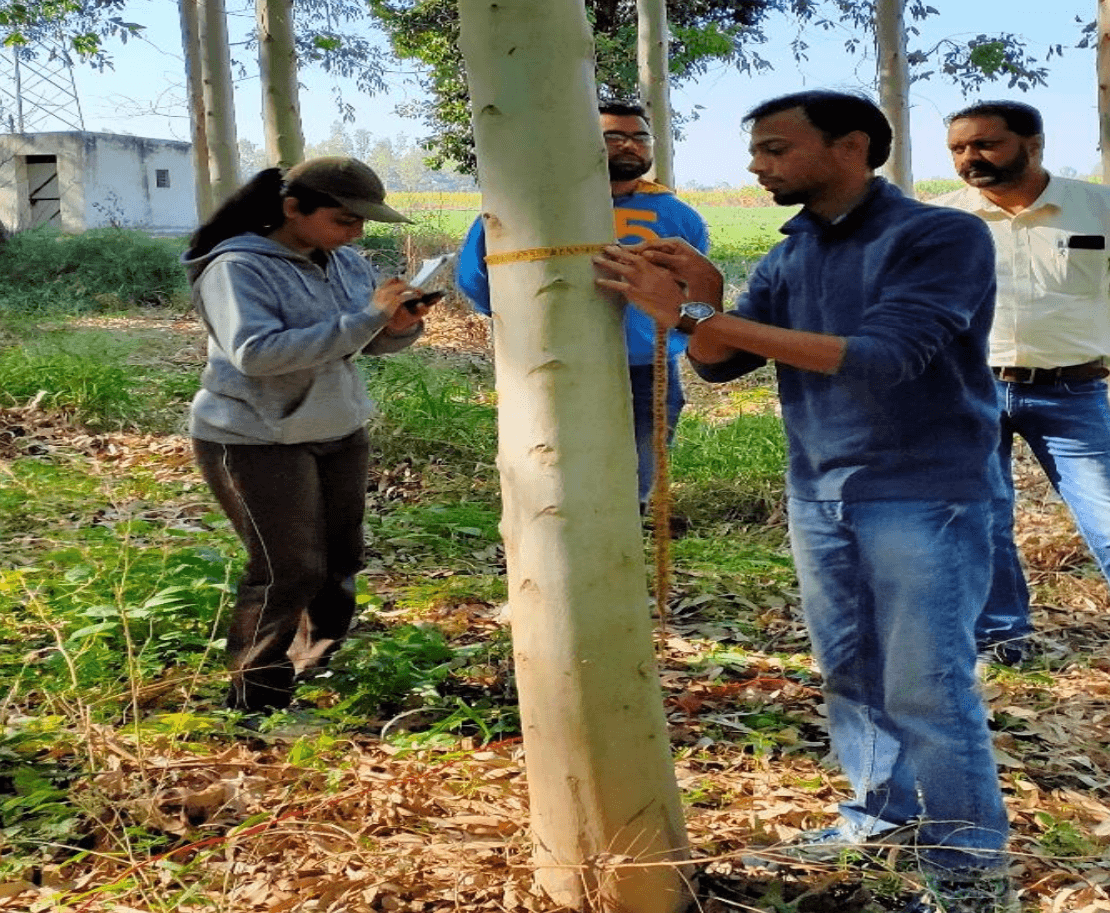
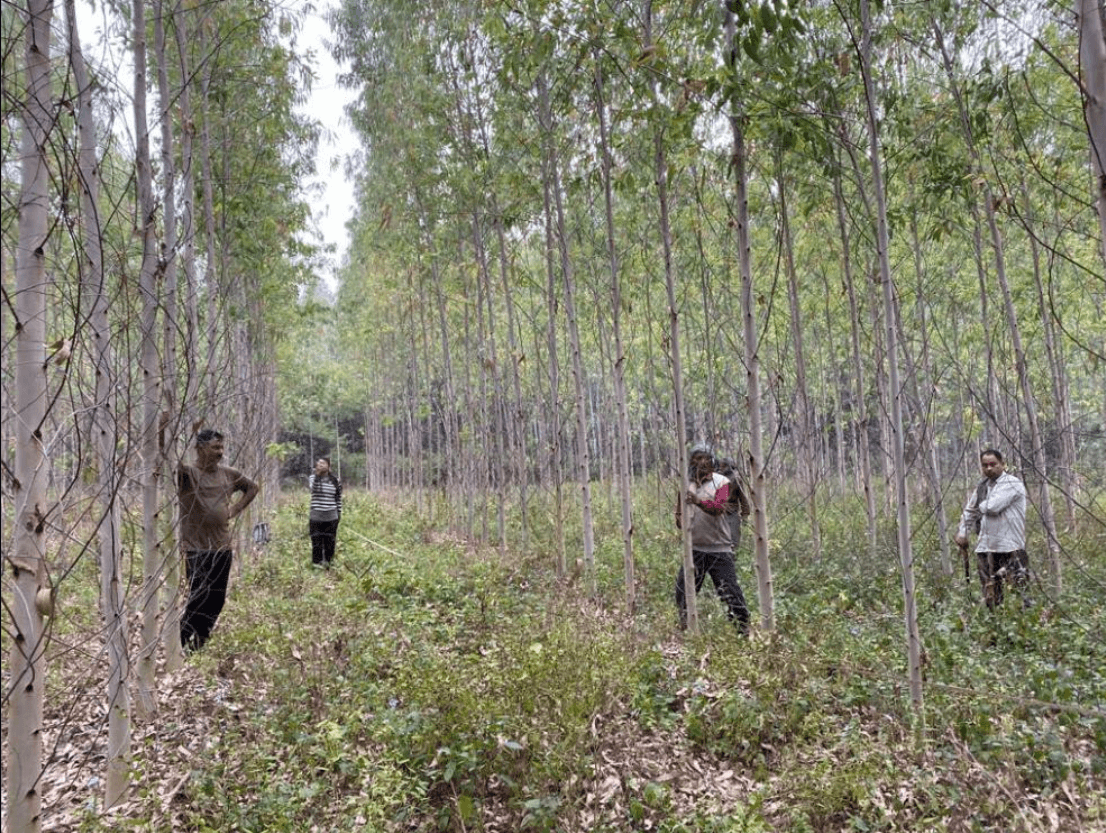
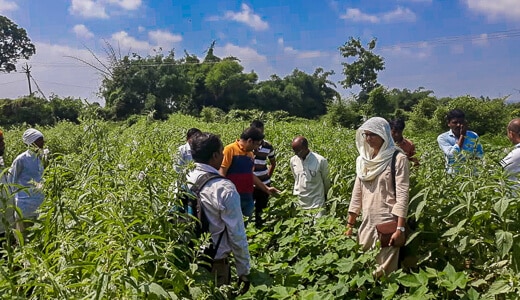
The project is implemented in close collaboration with local farming communities, supporting widespread adoption of agroforestry practices. Training, monitoring and knowledge-sharing are central to delivery, ensuring farmers are equipped to manage trees effectively and maximise both environmental and economic outcomes.
All Anthesis-supported carbon removal projects undergo independent verification to confirm permanent carbon storage and measurable environmental benefits. Projects must demonstrate alignment with UN SDGs 12, 13, and 15, promote soil and ecosystem health, and deliver robust climate and nature outcomes.
Through rigorous auditing, monitoring, and adherence to international standards, Anthesis ensures all projects provide credible, lasting impact for both climate and local communities.
Get expert guidance on selecting and purchasing credible carbon credits from Anthesis.
Discover our carbon project development expertise and explore our existing carbon projects