REDD+ Russas Project, Acre, Brazil
Protecting tropical forests and empowering communities through sustainable conservation

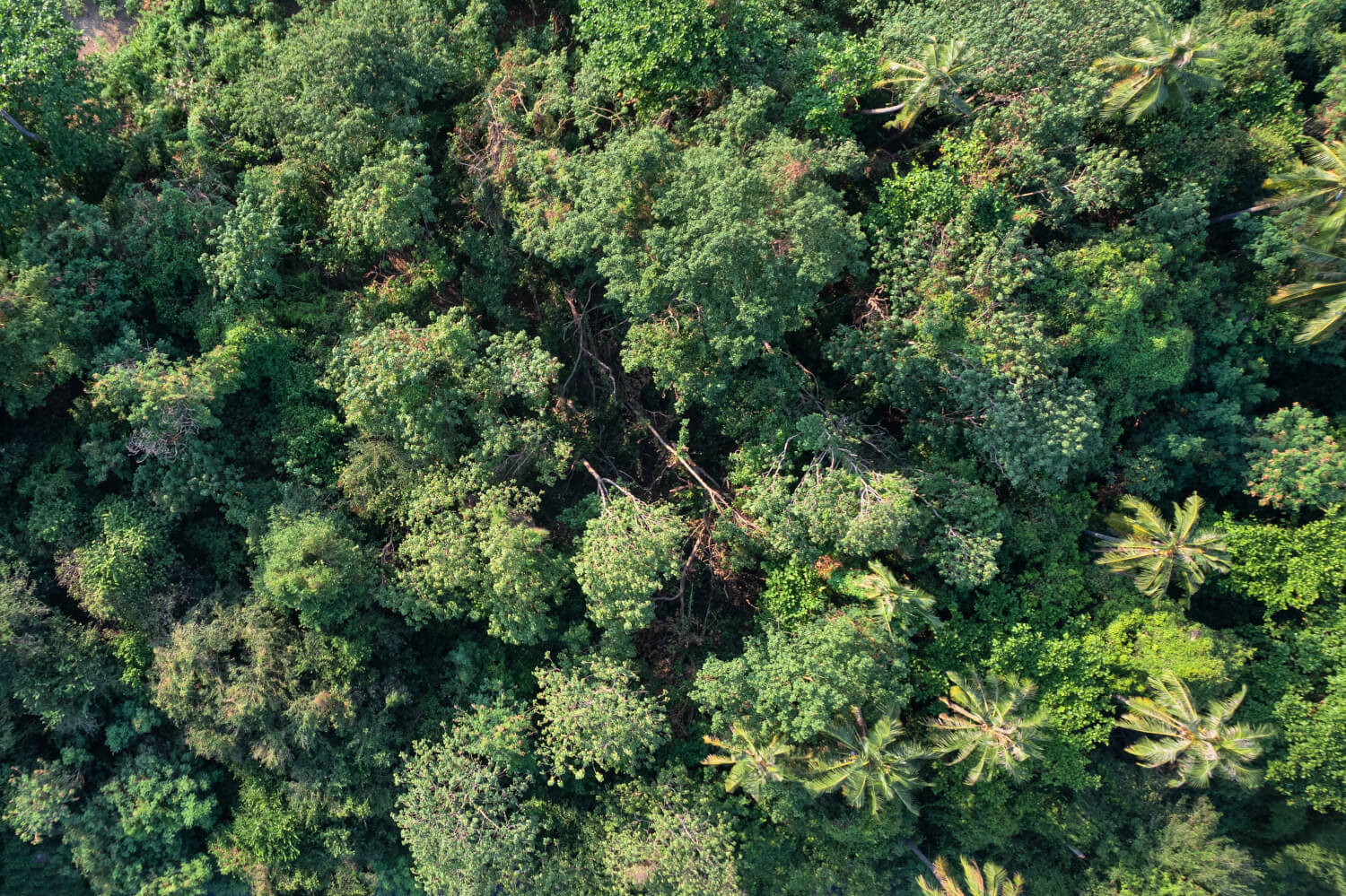
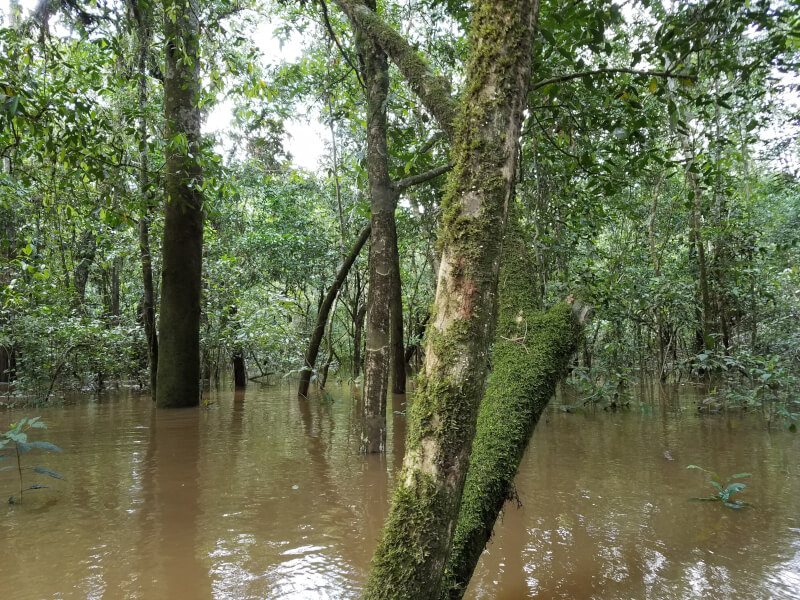
Located in the biodiverse state of Acre, Brazil, the REDD+ Russas Project is a leading example of community-driven forest conservation and sustainable development. Acre’s vast tropical forests play a crucial role in global climate stability, yet face growing threats from deforestation and degradation.
The Russas Project safeguards these ecosystems through a collaborative, long-term approach that links environmental protection with improved livelihoods for local and Indigenous communities.

Location: Valparaíso River Basin, Acre, Brazil
Project type: REDD+ (Reducing Emissions from Deforestation and Forest Degradation)
This project contributes to multiple UN Sustainable Development Goals, delivering measurable environmental and social outcomes.
Situated along the southern banks of the Valparaíso River, the REDD+ Russas Project spans nearly 42,000 hectares of tropical forest. Since its inception on 17 March 2011, the project has focused on preventing deforestation and fostering long-term forest stewardship. Through participatory conservation planning, forest monitoring technologies, and direct community engagement, the project builds local ownership of environmental protection efforts.
By aligning with REDD+ mechanisms, the project provides financial incentives for conservation and sustainable livelihoods. This approach ensures that forest preservation directly benefits the communities that depend on these ecosystems for their well-being. Certification under the Verified Carbon Standard (VCS) and the Climate, Community & Biodiversity Standard (CCBS) underscores the project’s environmental integrity, social inclusion, and measurable climate impact.
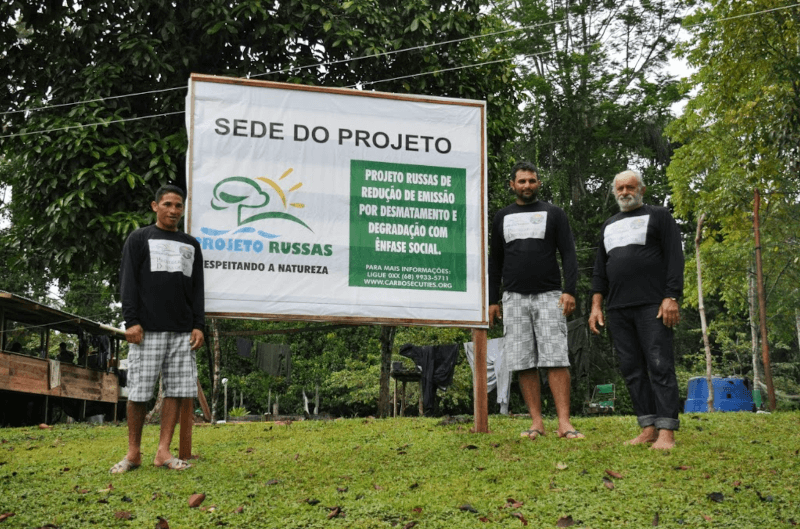
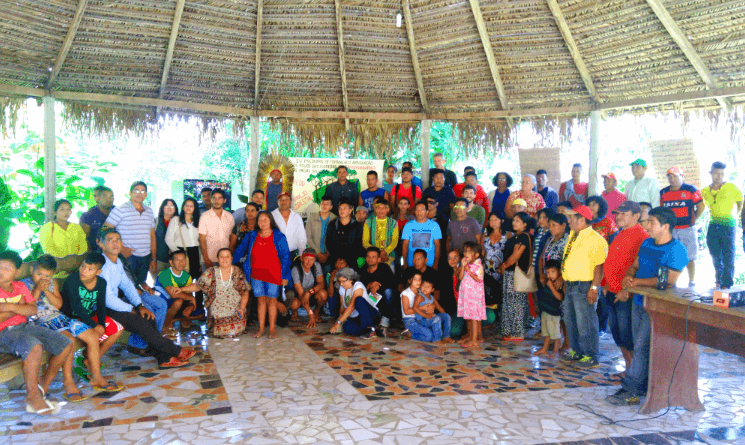
Anthesis partners with the REDD+ Russas Project to support, finance, and strengthen climate mitigation and community development initiatives. The project’s dual certification under VCS and CCBS guarantees rigorous standards for emission reduction, monitoring, and verification.
Social and economic co-benefits are validated under the Climate, Community & Biodiversity Standard, ensuring that local communities share directly in the project’s long-term success. As a founding member of the International Carbon Reduction and Offset Alliance (ICROA), Anthesis adheres to globally recognised best practices for credible and transparent carbon management.
All Anthesis-supported carbon removal projects undergo independent verification to confirm permanent carbon storage and measurable environmental benefits. Projects must demonstrate alignment with UN SDGs 12, 13, and 15, promote soil and ecosystem health, and deliver robust climate and nature outcomes.
Through rigorous auditing, monitoring, and adherence to international standards, Anthesis ensures all projects provide credible, lasting impact for both climate and local communities.
Get expert guidance on selecting and purchasing credible carbon credits from Anthesis.
Discover our carbon project development expertise and explore our existing carbon projects