ReTerra – Regenerative Agriculture & Soil Carbon Programme
A large-scale regenerative agriculture programme in Brazil restoring soil health, enhancing biodiversity and generating high-integrity soil carbon credits.

Brazil’s agroecosystems are experiencing increasing climate pressures, soil degradation and declining Soil Organic Carbon (SOC) levels. Shifting rainfall patterns, prolonged droughts and rising temperatures — combined with conventional high-input farming — are placing long-term productivity and resilience at risk. ReTerra is a strategic partnership between Rabobank Brazil, Ruuts by Ovis and Anthesis, designed to accelerate the large-scale adoption of regenerative agriculture across Brazil.
The programme delivers measurable climate mitigation, soil restoration and biodiversity outcomes, while enabling producers to access high-integrity carbon finance through verified soil carbon credits.

Location: Brazil
Project type: Regenerative Agriculture
ReTerra delivers measurable and durable climate and environmental benefits through science-based regenerative land management:
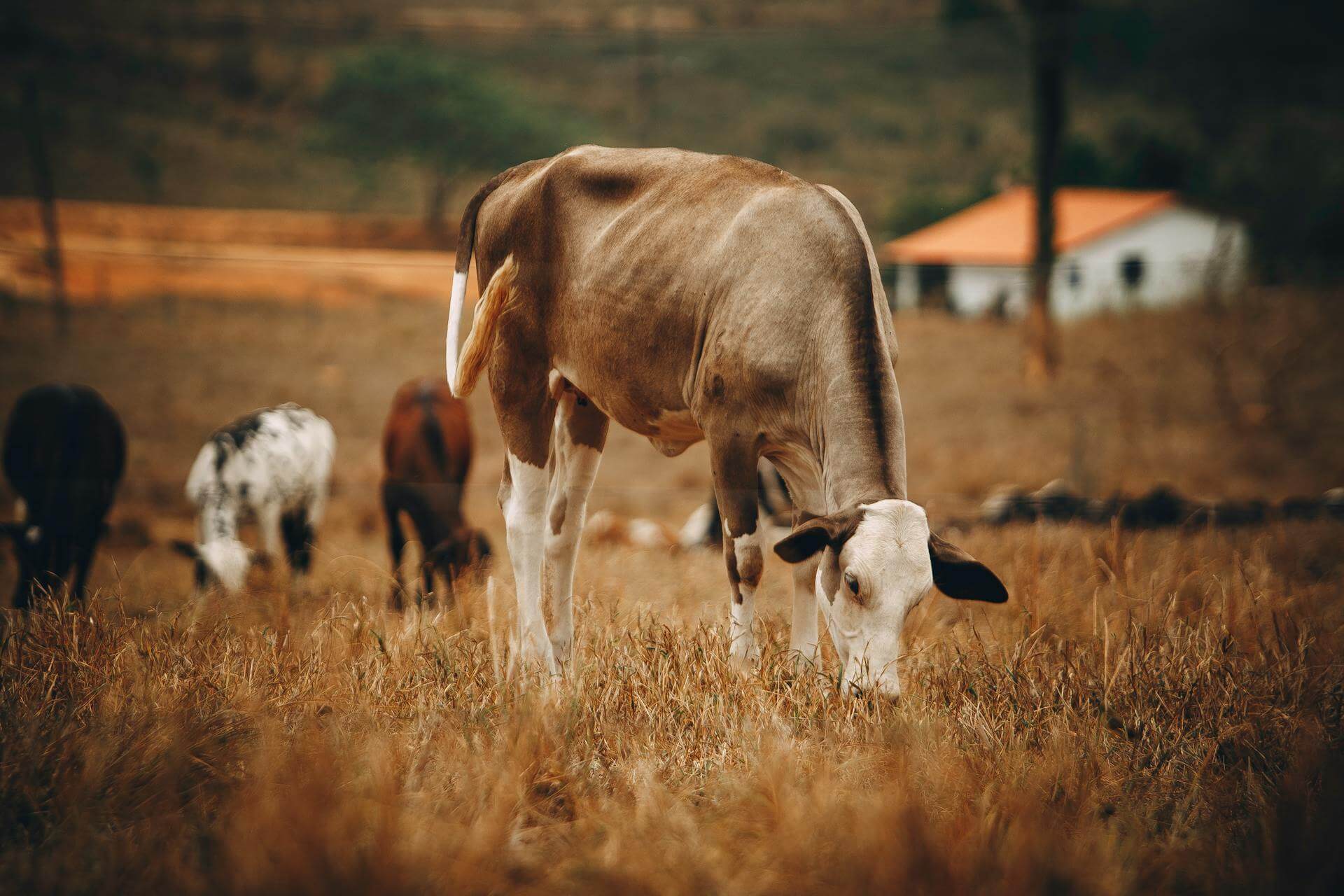
Adaptive Multi-Paddock (AMP) grazing mimics natural herd movements, optimising stocking density and pasture recovery to restore soil function and enhance carbon sequestration. Integrated crop–livestock (ICL) systems further reinforce soil structure and nutrient cycling, building year-round productivity.
The programme aligns environmental restoration with long-term economic value:
By embedding regenerative practices into commercial farming systems, ReTerra supports scalable, landscape-level transformation.


This project contributes to multiple UN Sustainable Development Goals, delivering measurable environmental and social outcomes.
ReTerra supports producers in transitioning towards regenerative land management tailored to each field’s biophysical characteristics and operational context. Practices are implemented through structured technical guidance and long-term engagement.
The programme is underpinned by a rigorous Measurement, Reporting and Verification (MRV) framework aligned with the Verra VCS and the GRASS Standard. Monitoring includes short- and long-term assessments, comprehensive soil sampling, biodiversity surveys and key performance indicators tracking soil function, mineral and water cycles, and agroecosystem health.
A combined measure-and-model methodology integrates field data with advanced MRV technologies. A dedicated digital tool developed by Ruuts estimates carbon stocks and provides transparent, ongoing performance insights to producers.
Over the next five years, ReTerra aims to scale to 350,000 hectares, delivering meaningful climate mitigation and resilience across Brazil’s agricultural sector.
ReTerra is delivered through an integrated partnership model:
Together, these capabilities create a robust, scalable programme designed to future-proof agricultural landscapes.
ReTerra is designed to meet high standards of environmental integrity and transparency:
All Anthesis-supported carbon removal projects undergo independent verification to confirm permanent carbon storage and measurable environmental benefits. Projects must demonstrate alignment with UN SDGs 12, 13, and 15, promote soil and ecosystem health, and deliver robust climate and nature outcomes.
Through rigorous auditing, monitoring, and adherence to international standards, Anthesis ensures all projects provide credible, lasting impact for both climate and local communities.
Get expert guidance on selecting and purchasing credible carbon credits from Anthesis.
Discover our carbon project development expertise and explore our existing carbon projects