Health Is Wealth
The Interdependence between agriculture, nutrition, and financial performance
3 March 2026

The Interdependence between agriculture, nutrition, and financial performance
3 March 2026
Food shapes our lives, our health, and our economies. Yet the natural ecosystems that underpin global food production are under existential threat. The choices available to us – and the choices we make – about what we eat have a material impact on planetary health, societal wellbeing and economic productivity.
At Anthesis, we see food systems as one of the most powerful levers for delivering integrated outcomes for climate, nature and human health. But today’s food system is placing unprecedented pressure on the very foundations it depends upon.
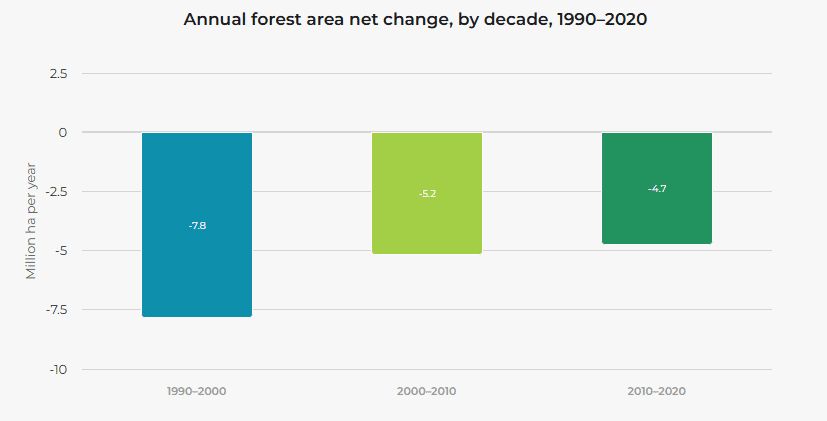
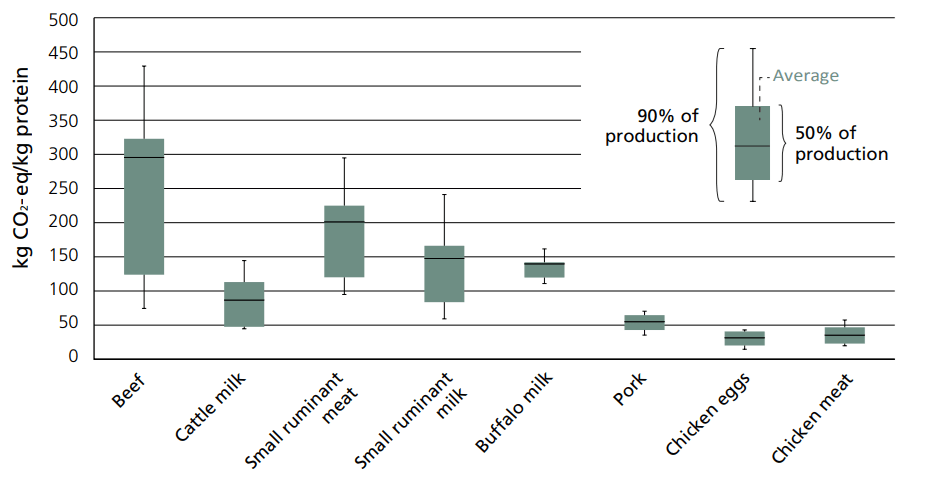
Food production is one of the most significant drivers of environmental degradation worldwide:
These pressures are not isolated. They interact and compound, accelerating climate change, degrading soils, reducing ecosystem resilience, and increasing systemic risk across global food supply chains.
At the same time, global consumption habits are increasingly misaligned with both planetary boundaries and human health.
Despite more than 14,000 edible and nutritious plant species, around 75% of the global food supply comes from just 12 plants and five animals. Nearly 60% of global caloric intake is derived from only three crops: rice, wheat and maize6. This lack of diversity drives monoculture farming systems, undermining soil health, biodiversity and long-term productivity.
Population growth and rising incomes could lead to a 21% increase in per capita meat consumption by 2050, assuming no significant shift towards alternative protein sources7. Without intervention, this trend risks locking in higher emissions, land conversion and water stress.
Approximately one third of the global population cannot afford a healthy diet8, while many others cannot access nutritious food because it is not locally available9. This creates profound inequalities across health outcomes, productivity and resilience.
Ultra-processed foods (UPFs) – typically energy-dense and nutrient-poor – now account for 20 – 50% of caloric intake in high and middle-income countries. Their rapid expansion is displacing minimally processed foods and is contributing significantly to the rise in diet-related and noncommunicable diseases10.
Globally, over one billion people are living with obesity, with prevalence rising in almost every country11. At the same time, around two billion people suffer from micronutrient deficiencies, particularly in vitamin A, iodine, iron and zinc12.
The failure to manage food system risks has profound economic implications:
These figures underline a critical reality: food system resilience is not only a sustainability issue, but a core driver of economic stability and long-term value creation.
Human health is inseparable from the health of our natural ecosystems that sustain us. Encouragingly, a growing body of evidence links regenerative agriculture – including improved soil health, restored ecosystems, and enhanced water quality – with improved nutritional profiles in crops and livestock15. Regenerative approaches offer a pathway to restore nature, strengthen climate resilience, and improve livelihoods simultaneously.
However, maintaining momentum beyond the status quo remains challenging. Scientific complexity is compounded by macroeconomic pressures, including climate-driven supply shocks, rising production costs, geopolitical instability, trade barriers and ongoing cost-of-living crises.
The challenge for the food and agricultural sector is twofold:
Healthy food is not cheap – particularly in the current economic context.
In the UK, food inflation continues to rise at 3.9% year-on-year16. Research by the Food Foundation shows that 1,000 calories of healthy foods, such as fruit and vegetables, cost twice as much as the same caloric value from less healthy options like ready meals and processed meats17.
At the same time, the rapid uptake of GLP1 weight management drugs is beginning to reshape consumption patterns. A recent UK study estimates that 1.6 million adults have used GLP-1 drugs for weight loss18, with clinical trials showing 15-20% reductions in body weight19 and decreased appetite20. While these treatments may reduce calorie intake and demand for ultra-processed foods, they are unlikely to address micronutrient deficiencies21.
Early signals are already visible in the market. The UK grocery sector has reportedly lost £136 million in food and drink sales, with GLP1 users reducing grocery spending by 2.2 percentage points more than non-users22.
From a supply chain perspective, sustained changes in demand could create significant stranded asset risk, particularly in emissions-intensive sectors such as meat production, at a scale comparable to fossil fuel asset stranding under climate transition scenarios23. This stranded asset risk may, in turn, limit our ability to transition our supply chain away from the ‘status quo’ at the pace and scale required.
Retailers are beginning to respond. Recent innovations include nutrient-dense product ranges, co-developed with nutritionists, with cleaner ingredient declarations, developed to deliver more fibre and micronutrients per calorie, and promoted as nutrient-rich and perfectly portioned to support reduced appetites.
In other regions, emerging political agendas such as the Make America Healthy Again movement are forcing the food and drink sector to rethink product formulations in response to the growing backlash against ultra-processed foods, signalling a shift towards health-led value propositions.
As food consumption patterns evolve, the ability to quantify and compare nutritional, environmental and regenerative outcomes becomes critical.
Improved decision-making is needed across the system:
Whilst these dynamics are complicated to figure out in the ‘just in time’ food system we operate in, I believe there are valuable lessons we can take from the ways we support organisations tackle other sustainability challenges, including carbon and food waste.
At Anthesis, we support organisations across the food system to move from risk awareness to action – integrating climate, nature and health into strategy, investment decisions and value chain transformation.
By combining science-based measurement, systems thinking and real-world delivery, we help unlock food systems that are resilient, regenerative and aligned with long-term economic and societal value.
We are the world’s leading purpose driven, digitally enabled, science-based activator. And always welcome inquiries and partnerships to drive positive change together.