Carbon Guide
March 2025
May 2026
Welcome to the May edition of our Anthesis Carbon Guide. This month focuses on Carbon Dioxide Removal (CDR).
At Anthesis, we continue to see significant evolution across the Voluntary Carbon Market, alongside growing demand for high-integrity climate solutions that deliver measurable, long-term value. Acting as trusted guides to our clients, we develop, own and support a diverse global portfolio of projects designed to enable sustainable performance and credible climate action. This month, we are pleased to spotlight a range of carbon dioxide removal solutions, including our own PURO-certified biochar project in Turkey.
This edition brings together key market insights, recent regulatory developments, and highlights from our latest carbon projects, helping organisations navigate complexity and build confidence in their carbon strategies.
In the News: Key Recent Developments
Biochar market maintains strong momentum
Activity in the biochar carbon removal market continues to build, with several large-scale offtake agreements announced in recent weeks. A Swiss-based carbon removal financier has committed to purchasing 425,000 tonnes of biochar credits from Indian developer Engrow, while Exomad, operator of a highly rated biochar project in Bolivia, has secured a separate agreement with a UK intermediary covering 500,000 tonnes to be delivered over multiple years.
These large-scale offtake agreements demonstrate sustained interest in biochar CDR, even as some established buyers, such as Microsoft, temporarily moderate new procurement. They also reflect an evolving buyer landscape, with new market participants stepping in to secure supply for the 2026 to 2030 period.
Microsoft focuses on managing its existing CDR portfolio
Microsoft has indicated that it will prioritise managing and expanding its existing carbon removal portfolio rather than entering into a high volume of new agreements.
According to its sustainability leadership, the programme remains active and continues to support both nature-based and technological solutions.
Given Microsoft’s influential role in driving demand for carbon removal, any change in its purchasing strategy has potential implications for wider market dynamics.
EU regulation clarifies pathway for permanent removals
Projects focused on long-term carbon removal, including direct air capture, bioenergy with carbon capture and storage, and biochar, have received greater regulatory clarity in the European Union.
These approaches are now formally recognised as permanent removals, offering developers a clearer route towards certified carbon credits. However, how these credits may ultimately be integrated into the EU Emissions Trading System remains under discussion.
Airlines delay Corsia purchases amid geopolitical pressures
Ongoing conflict involving Iran, the United States and Israel has driven energy prices higher, with Brent crude reaching levels not seen since the early stages of the Ukraine war in 2022. Rising jet fuel costs, particularly in Asia, are complicating airlines’ procurement strategies and affecting engagement with the UN’s Corsia offsetting scheme. Nevertheless, airlines will be obliged to buy CORSIA compliant credits driving the market forward.
Carbon Dioxide RemovalS: WHY CDR is becoming central to corporate climate Strategies
“High quality carbon dioxide removal will play a defining role in how organisations credibly reach net zero. The challenge is not intent, but execution. Anthesis acts as a guide through a fast evolving market, helping clients move from fragmented activity to integrated strategies that deliver long term sustainable performance.“
Carbon Dioxide Removal refers to activities that remove carbon dioxide from the atmosphere and store it in biomass, soils, products, geological formations or mineral forms. Once considered a niche component of climate action, CDR has rapidly become central to corporate net zero strategies. This growth is driven by ambitious corporate commitments, increased scrutiny of avoided emission offsets, and scientific consensus that removals are required to neutralise residual emissions.
Many organisations now view removals as more closely aligned with net zero claims, particularly at the point of net zero itself. The Science Based Targets initiative requires deep emissions reductions first, with removals used to neutralise remaining emissions at net zero. High quality CDR credits also support readiness for future regulation, respond to rising integrity standards, and offer organisations the opportunity to secure scarce, high-durability supply at an earlier stage of market development.
Permanent removal pathways such as biochar, BECCS and direct air capture remain constrained by limited supply. Today, CDR demand is still concentrated among a relatively small group of buyers: large companies with ambitious climate targets, especially technology companies. Examples include Microsoft, Google, Stripe, Meta, Shopify and Salesforce. These companies often have growing emissions from data centres, cloud services and AI, while also facing strong investor, customer and employee expectations to demonstrate climate leadership.
Microsoft has been regarded as one of the most important corporate buyers in the market, accounting for a large share of durable CDR purchases in recent years. However, recent reports suggest Microsoft is slowing the pace of new procurement while continuing to support its existing portfolio. Its sustainability leadership has stated that the company’s carbon removal program has not ended, but that procurement pace and volume are being refined.
Carbon Dioxide Removal TYPES EXPLAINED
Nature Based Removals (NBR) are projects that remove CO₂ by establishing or restoring tree and vegetation cover. Carbon is stored in biomass and soils. These projects can provide biodiversity and community benefits, but permanence depends on long-term land management and protection from fire, disease and deforestation. Most common types of NBR are Afforestation/Reforestation (ARR), Improved Forest Management (IFM) and ecosystem restoration.
Soil carbon projects increase the amount of carbon stored in agricultural soils through practices such as cover cropping, reduced tillage, improved grazing management and the use of organic amendments. In addition to climate benefits, these practices can improve soil health and resilience, although measurement and permanence can present challenges.
Biochar is produced by heating biomass in low oxygen conditions. The resulting stable, carbon-rich material can be applied to soils or incorporated into products, storing carbon for decades to centuries. Biochar is currently one of the most commercially active carbon dioxide removal pathways, as it is relatively scalable and often more cost effective than engineered removal solutions.
BECCS generates energy from biomass, captures the resulting biogenic carbon dioxide and stores it underground. When biomass is sustainably sourced and storage is permanent, the process can deliver net carbon removals. Key considerations include land use impacts, feedstock availability and the development of suitable infrastructure.
Enhanced rock weathering involves spreading finely crushed silicate minerals, such as basalt, onto land. These minerals react with carbon dioxide and water, converting atmospheric carbon into stable bicarbonates or mineral forms. While the approach has significant theoretical potential, monitoring, verification and logistical systems are still developing.
Direct air capture removes carbon dioxide directly from ambient air using chemical processes, after which the carbon dioxide is stored underground or used in products. Direct air capture offers high durability and precise measurement, but remains expensive and energy intensive.
| Type | Price range (USD/tCO2) |
|---|---|
| High quality ARR | $ 10 – 35 |
| Soil carbon | $ 20 – 50 |
| Biochar | $ 100 – 200 |
| BECCS | $ 100 – 250 |
| Enhanced weathering | $ 300 – 500 |
| Direct air capture | $ 500 – 1,000 |
FUTURE OUTLOOK
Carbon dioxide removal is expected to become increasingly important, with future demand likely to arise from both voluntary markets and regulated systems. Corporates continue to play a leading role in setting benchmarks for emissions removals, with a strong and growing emphasis on quality and integrity. At the same time, policy momentum is accelerating.
The European Union has adopted the Carbon Removal and Carbon Farming Regulation, establishing the first EU‑level certification framework for permanent carbon removals, carbon farming, and carbon storage in products. The framework covers permanent removal pathways such as direct air carbon capture and storage (DACCS) and bioenergy with carbon capture and storage (BECCS), alongside carbon storage in long‑lasting products and carbon farming activities, including reforestation and soil carbon. In February 2026, the European Commission adopted the first methodologies for permanent removals, covering DACCS, BioCCS and biochar carbon removal.
Looking ahead, additional drivers are expected to shape the market. These include the implementation of Article 6 under the Paris Agreement, the potential future integration of removals into compliance systems such as the EU Emissions Trading System, and the continued evolution of Science Based Targets initiative guidance. The EU’s certification framework may also help build trust and comparability across the market, although the role of EU‑certified removal units in corporate claims and compliance mechanisms has yet to be fully defined.
VELDO Mersin Biochar Carbon Removal Project
The VELDO Mersin Biochar Carbon Removal Project is an industrial‑scale biochar facility in Türkiye, developed by VELDO and supported by Anthesis as carbon project developer, representing one of the country’s first large‑scale, high‑integrity biochar CDR projects.
- The facility converts sustainable agricultural and food‑processing biomass residues into durable biochar through controlled pyrolysis, avoiding emissions from decomposition while enabling permanent carbon storage of over 200 years.
- At full capacity, the project is expected to deliver 7,000 tonnes of net CO₂ removals per year, processing approximately 12,000 tonnes of waste biomass annually.
- The project is developed under the Puro.earth Biochar Methodology (2025, v2), with operations commencing in Q1 2026, first credit issuance expected in Q3 2026, and full capacity reached by Q4 2026.
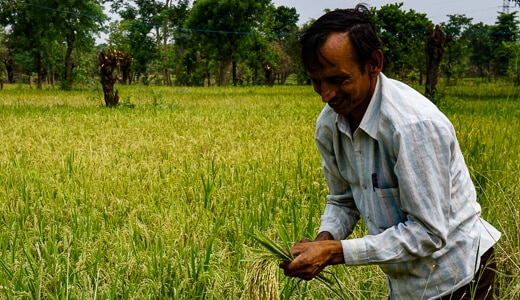
- Biochar produced at the facility is distributed directly to local farmers, improving soil structure, water retention, nutrient efficiency, and long‑term agricultural productivity, with additional benefits delivered through by‑products such as wood vinegar.
- The facility integrates renewable energy recovery, exporting electricity to the grid, and operates under a comprehensive monitoring and verification framework, including laboratory testing with Mersin University and accredited European laboratories, subject to independent third‑party audit.
EXPLORE OUR VELDO Mersin Birochar CDR Project
Anthesis as your CDR partner
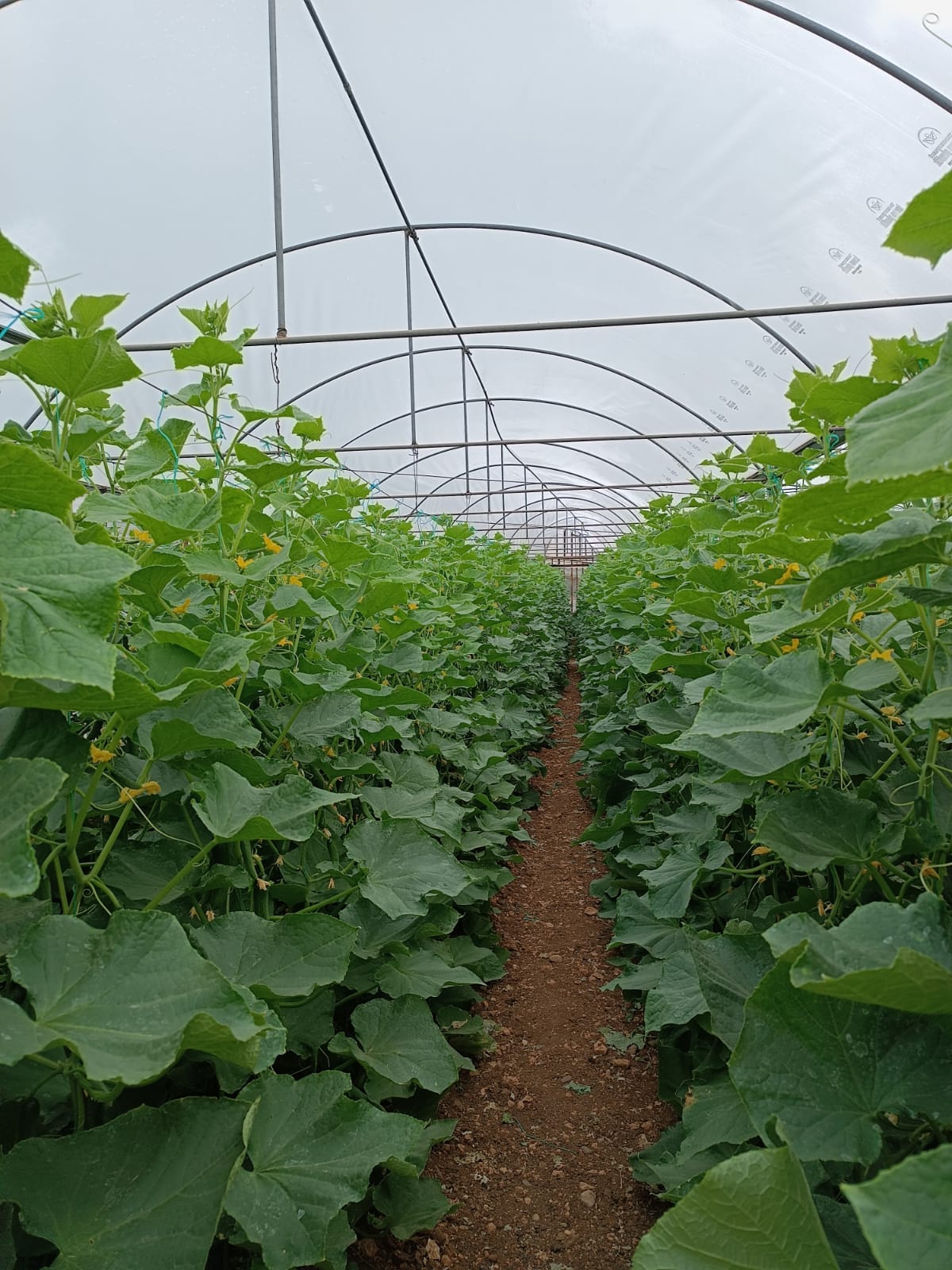
Anthesis combines in-house project development with deep market access to support organisations across the full carbon removal value chain. We are actively developing soil carbon projects in South Africa and South America, and have successfully registered one of the first PURO-certified biochar projects in Turkey. Through close partnerships, we structure multi-year offtake agreements that deliver reliable access to high-integrity removal credits over time.
By acting as trusted guides through a complex and fast-evolving market, Anthesis enables clients to move from fragmentation to integration, embedding climate, nature and equity into a unified strategy that delivers sustainable performance and long-term resilience.
| Project | Standard | CDR Type | CCP | Availability | Delivery |
|---|---|---|---|---|---|
| GreenTrees Reforestation USA | ACR | ARR | Yes | 100,000+ | 2026 – 2030 |
| VELDO Biochar Turkey | PURO | Biochar | Under Assessment | 1,000+ | 2027 – 2030 |
| South America Regenarative Agricuture (SARA) | VCS | Soil Carbon | 2027 Onwards | 100,000+ | 2026 – 2030 |
| Biochar India | VCS | Biochar | Yes | 10,000+ | 2026 – 2030 |
| Direct Air Capture Kenya / UAE | Isometric | Direct Air Capture | Yes | 1,000+ | 2027 – 2030 |
| BECCS USA | PURO | BECCS | Under Assessment | 1,000+ | 2026 – 2030 |
| AgriCarbon South Africa | VCS | Soil Carbon | Yes | 10,000+ | 2027 – 2030 |
| Improved Forest Management Mexico | CAR | Improv ed Forest Management | Yes | 100,000+ | 2026 – 2030 |
Portfolio
Explore our projects
Our carbon projects are created to avoid, reduce or remove CO2. They align with the Sustainable Development Goals (SDGs) and support your organisation on its pathway to Net Zero. Please visit our carbon project page to explore the full range of opportunities available.