The Situation
Amazon is working to address sustainability at each stage of its value chain. This includes striving to be a responsible steward for the planet’s finite resources and contributing to a circular economy. It is working to increase what it resells, reuses, and recycles – and to reduce what is
sent to landfills.
To help inform its work on circularity, resource use, and waste, Amazon commissioned Anthesis to undertake a study of its upstream waste.
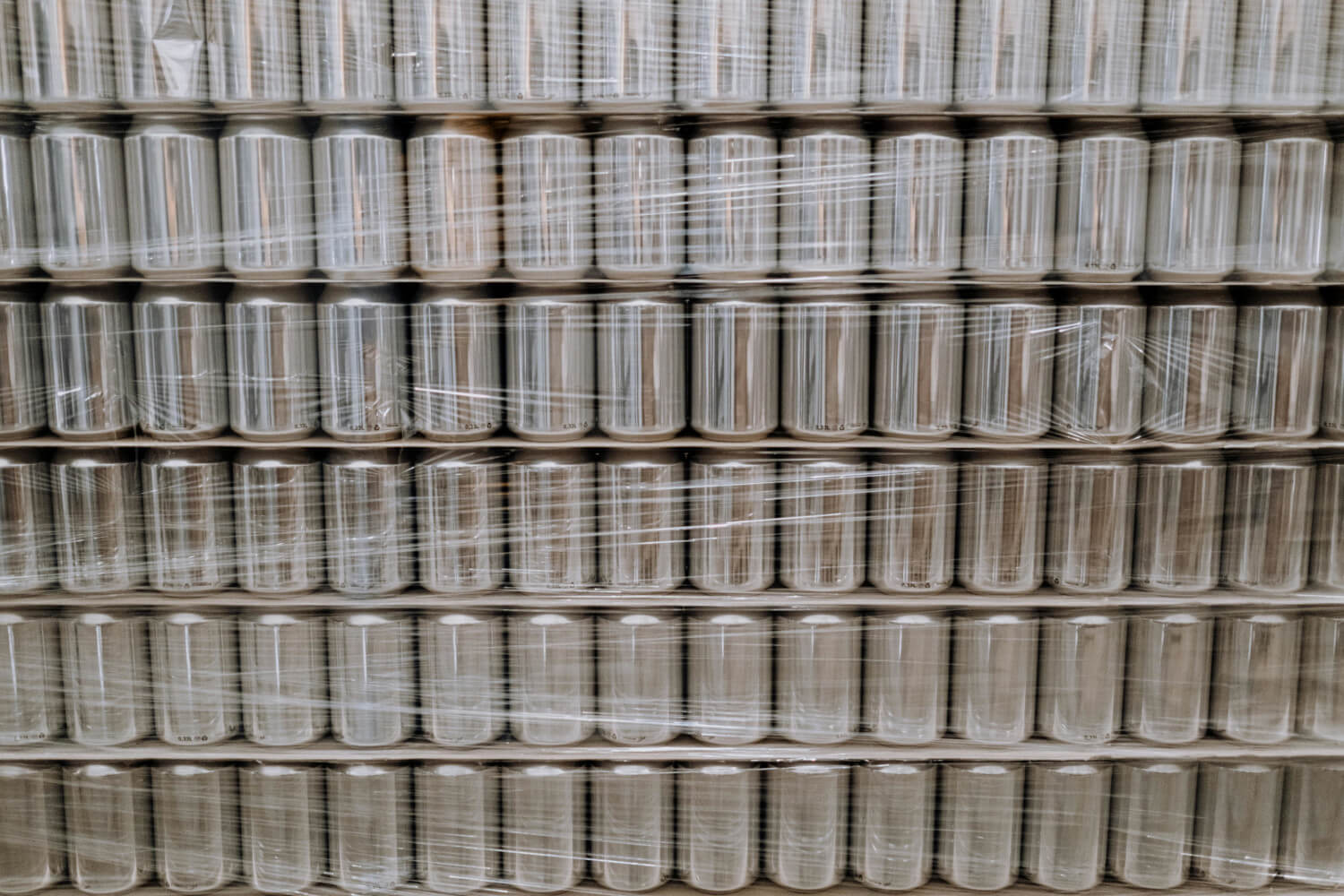
Our waste experts identified priority areas for waste reduction and circular material use within Amazon’s supply chains, highlighting waste hotspots and opportunities for influencing upstream supply chain waste. The work included assessing the upstream wastes associated with multiple types of products including Electronics, Grocery, Homeware, Apparel, Hazardous and Liquid Products, and Health and Hygiene, as well as wastes associated with some of Amazon’s other business areas. It tracked waste from the point of raw material extraction, through preparation/processing to manufacture and assembly.
Solution
Anthesis’ methodology involved the following steps:
- Exploration and discovery: Engagement with Amazon teams to understand the core operations of each waste-impacting business unit.
- Landscape review: Assessment of the waste actions, goals, and approaches taken by selected competitors, peers, and suppliers.
- Prioritisation framework: Development of a framework and scoring criteria to support the identification of waste hotspots and inform priority areas for action.
- Waste analysis: Analysis of multiple datasets provided by Amazon supported with life cycle analysis data to generate estimates of types, quantities, and locations of waste arisings within the upstream supply chain. This analysis included identifying “waste hotspots” and key areas of waste-related risk and opportunities. Recommendations for interventions Amazon could take to influence waste within different supply chain stages were made.
- Measurement approach: Development of recommendations for improving measurement of waste in Amazon’s supply chains.
Impacts
Unlocked Opportunities
The work Anthesis conducted identified opportunities for Amazon to influence waste generation and circularity within each of its product categories. These opportunities were categorised into three types of intervention: directly influencing supplier practices, influencing waste though business change, and understanding the landscape for waste.
Planning for the Future
Amazon incorporated key interventions into their plans for 2025, underpinning strategies for managing supply chain waste and contributing to the circular economy.
Explore our Circularity Services
Transforming production & consumption with real-world expertise to deliver a resilient circular economy, and a healthy, sustainable future for all.
Get in touch
We’d love to hear from you
We are the world’s leading purpose driven, digitally enabled, science-based activator. And always welcome inquiries and partnerships to drive positive change together.
Loading…