Activator Summit: Show Me the Performance
Insights from the Anthesis UK Activator Summit 2026
19 May 2026

Insights from the Anthesis UK Activator Summit 2026
19 May 2026
“I was utterly absorbed by the sessions. The Activator Summit was so inspiring – and left me feeling full of hope and optimism.”
– Activator Summit 2026 attendee
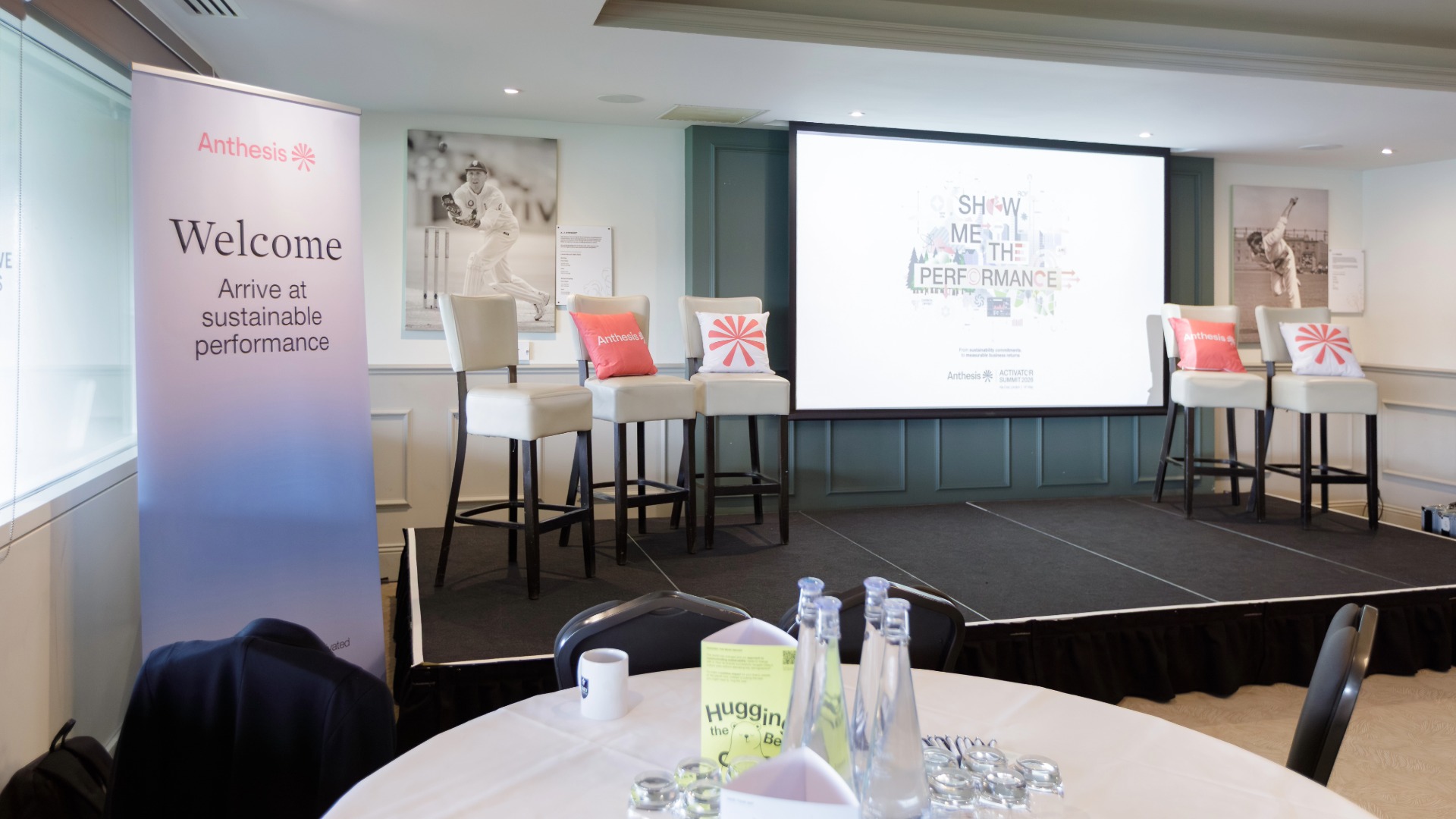
The tone was set before this year’s Anthesis UK Activator Summit even began.
The event was set against the backdrop of the Kia Oval, one of the world’s most historic and prestigious sports grounds. A venue built for performance, where precision, output and results matter.
That context mattered. It framed this year’s summit, our fifth and largest to date, with a clear expectation. Performance matters.
Because the question facing organisations now is not whether sustainability matters. It is whether it performs.
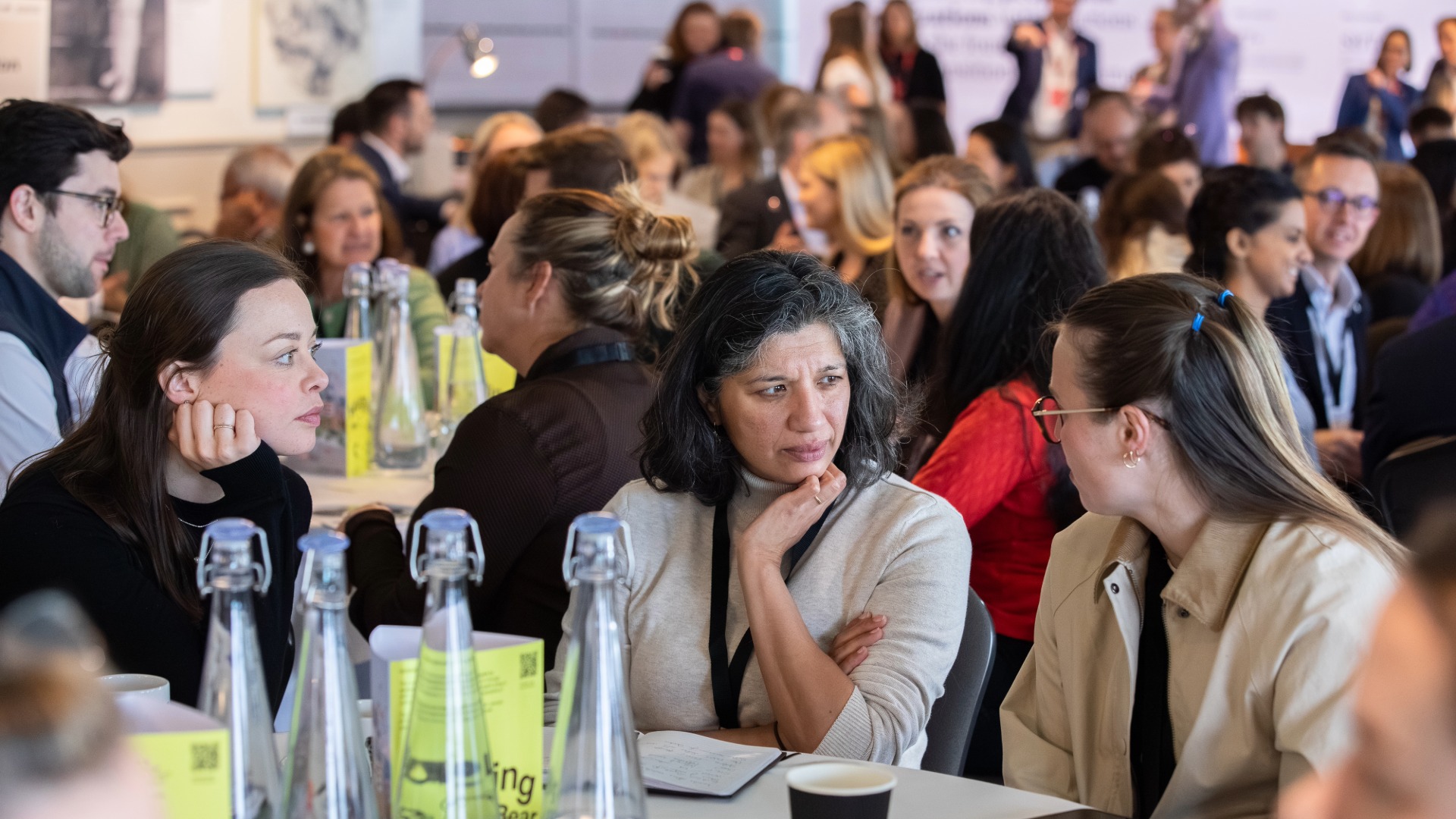
For anyone over a certain age, they’ll recognise the famous line from the 90’s film, Jerry Maguire. But “show me the money” was never really about money.
It was about proof. Evidence. Accountability. Trust.
That was also the intent behind this year’s Activator Summit theme, ‘Show Me the Performance‘.
Not intent. Not activity. Not reporting in isolation. Performance.
That challenge ran through every session, from new research that was revealed, to the workshops and panel discussions.
Sustainability has always needed to sit inside commercial reality. This year’s summit returned its focus to this idea, providing practical steps on how functions within an organisation collaborate to ensure upsides extend to more than just impact metrics.
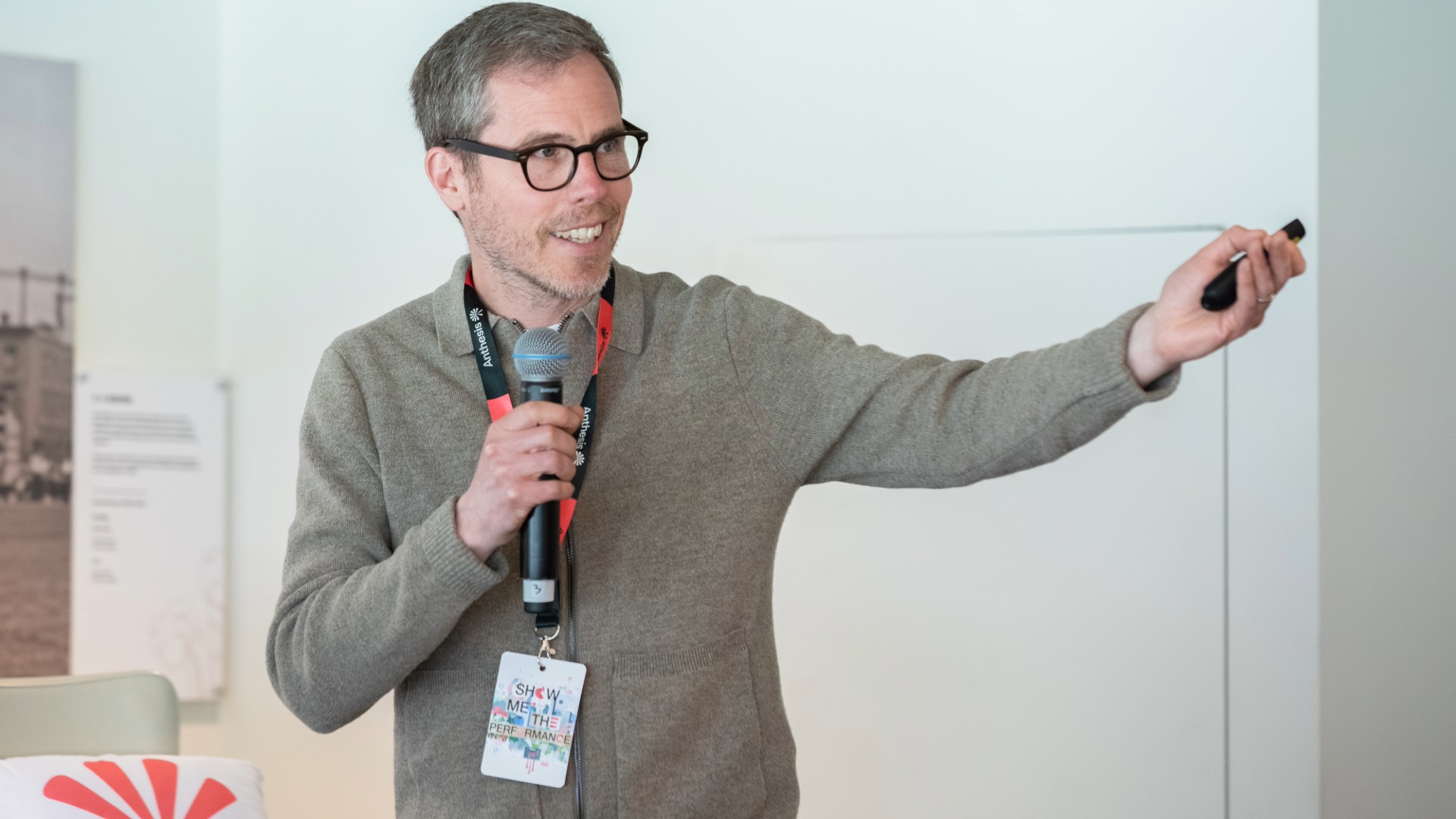
The first response to that challenge came through a preview of a new global research piece, The Shape of Sustainability.
Anthesis strategy and transformation lead, Ben Hayman, delivered a data-led and thought-provoking presentation around the skills and partnerships that lead to performance.
The premise of the research is not only to examine how sustainability teams evaluate the current shape of their profession, but also how their colleagues in other functions rate it too.
Where are sustainability teams flourishing and where are they faltering – and which are the alliances they should spend their energy cultivating now?
The conference heard fresh insights on the future shape of the sustainability function in the face of AI, geopolitical and budgetary headwinds. In 10 years, will the sustainability team have disappeared, or will we see a strengthened and more deeply integrated function?
Learn more about the Shape of Sustainability, coming Summer 2026.
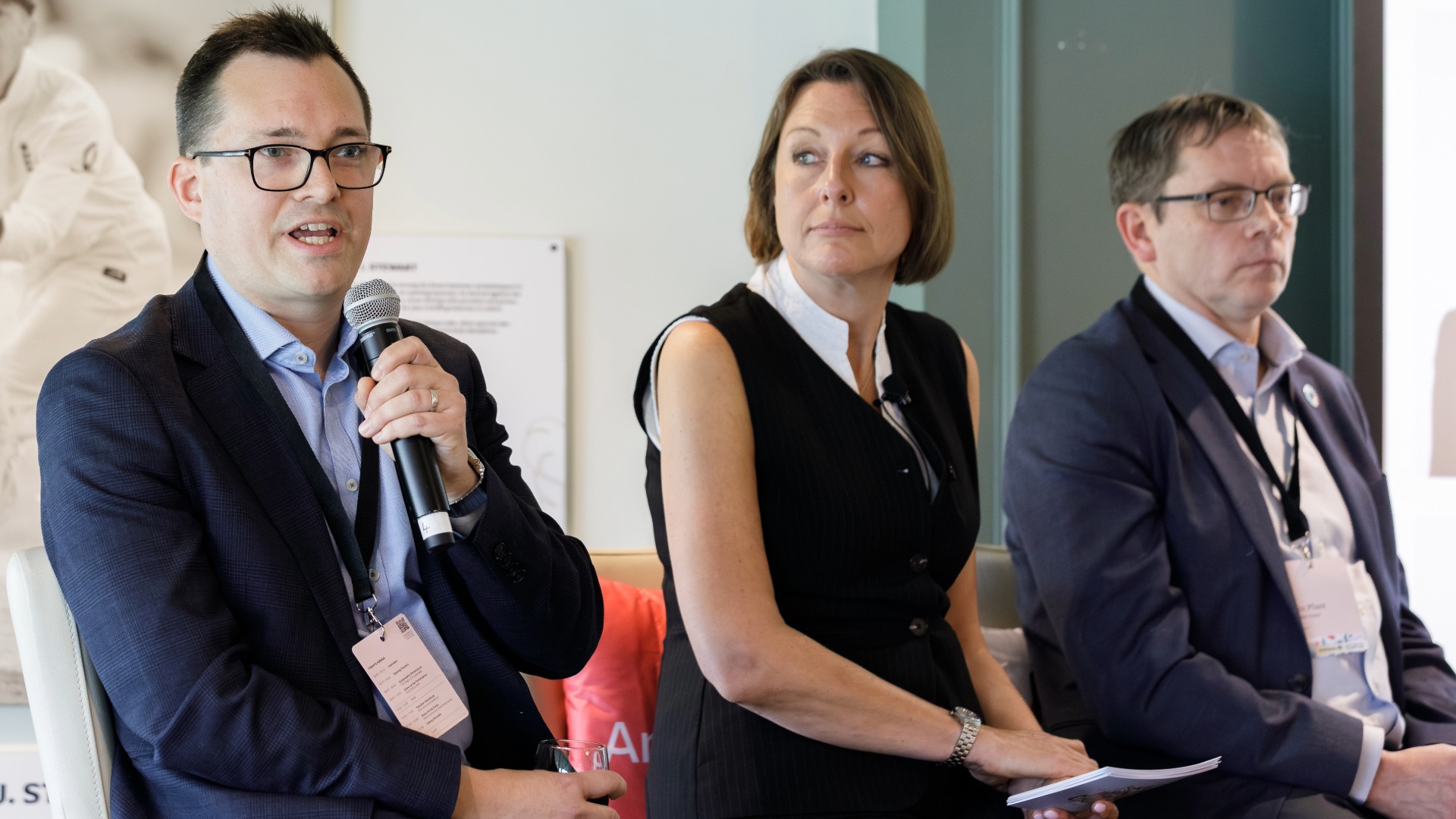
Sustainability initiatives must demonstrate return on investment alongside return on impact. This is the principle behind our concept, ROI².
Circularity lead, Debbie Hitchen led a panel exploring how that plays out in practice across organisations and functions. The discussion stayed grounded in execution: how do sustainability teams build cases that resonate with finance, operations and leadership in practice?
Guest panellists were:
Several themes came through in this panel discussion.
Language matters. The panel discussed which language and metrics can help provide an unlock for sustainability teams. For example, is the term “resilience”, and its risk-based implications, a useful framing for sustainability going forwards?
Capability matters. Sophie Graham shared how AI has reduced reporting workload by up to 70 percent at her organisation, releasing capacity for her team to focus on other activity.
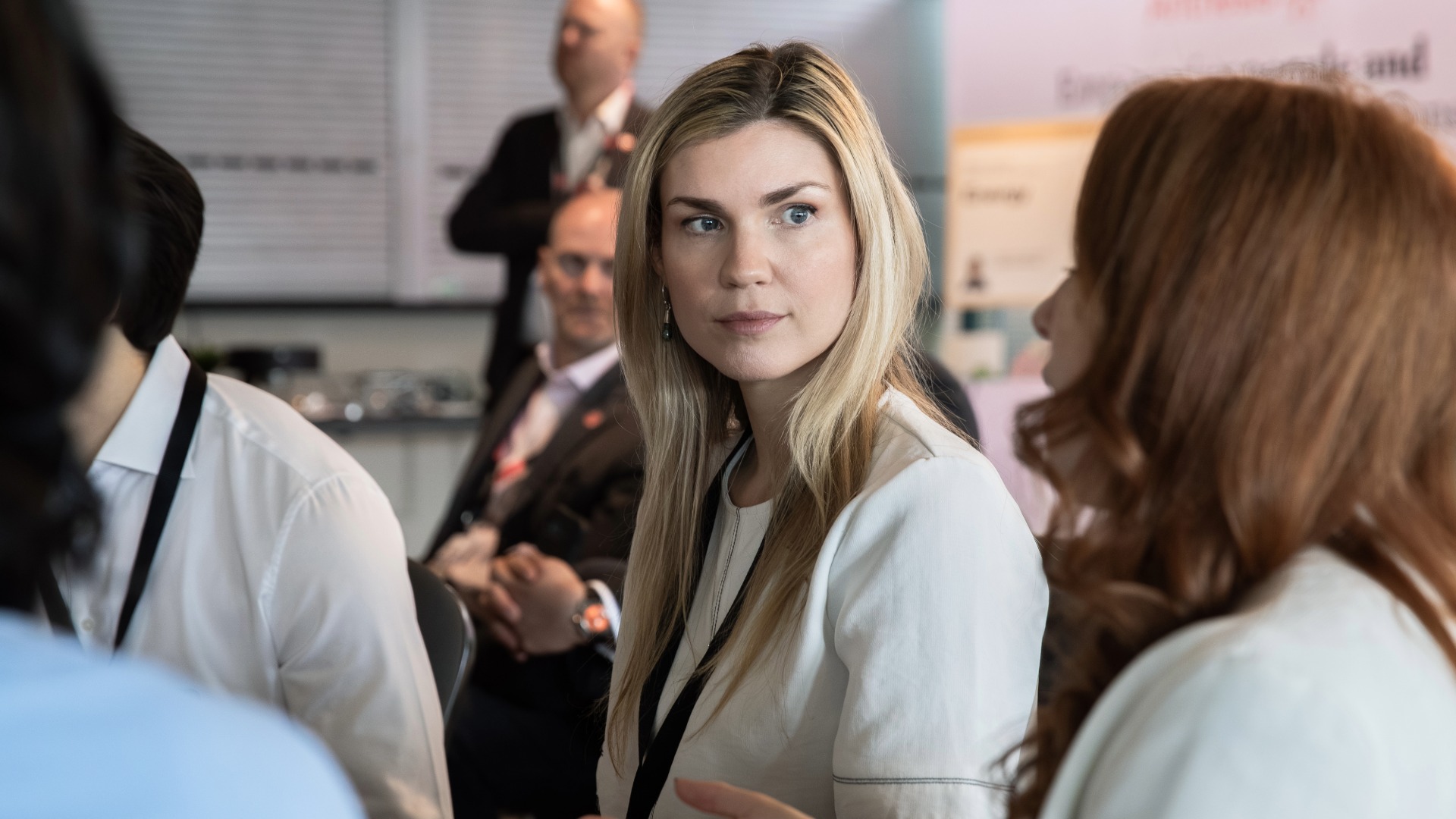
Partnerships matter. Ben Farrell emphasised the role of procurement in driving change across supply chains, identifying this alliance as key for progress on sustainability. While Stuart Reid gave examples of how organisations can align sustainability activity with core business targets.
And leadership matters. Alex Plant pointed to the limits of short-term cycles when organisations are trying to create long-term value.
Taken together, the discussion reinforced a consistent message. Sustainability delivers when it is used to help the business make commercial decisions – and can talk in metrics used by other teams.
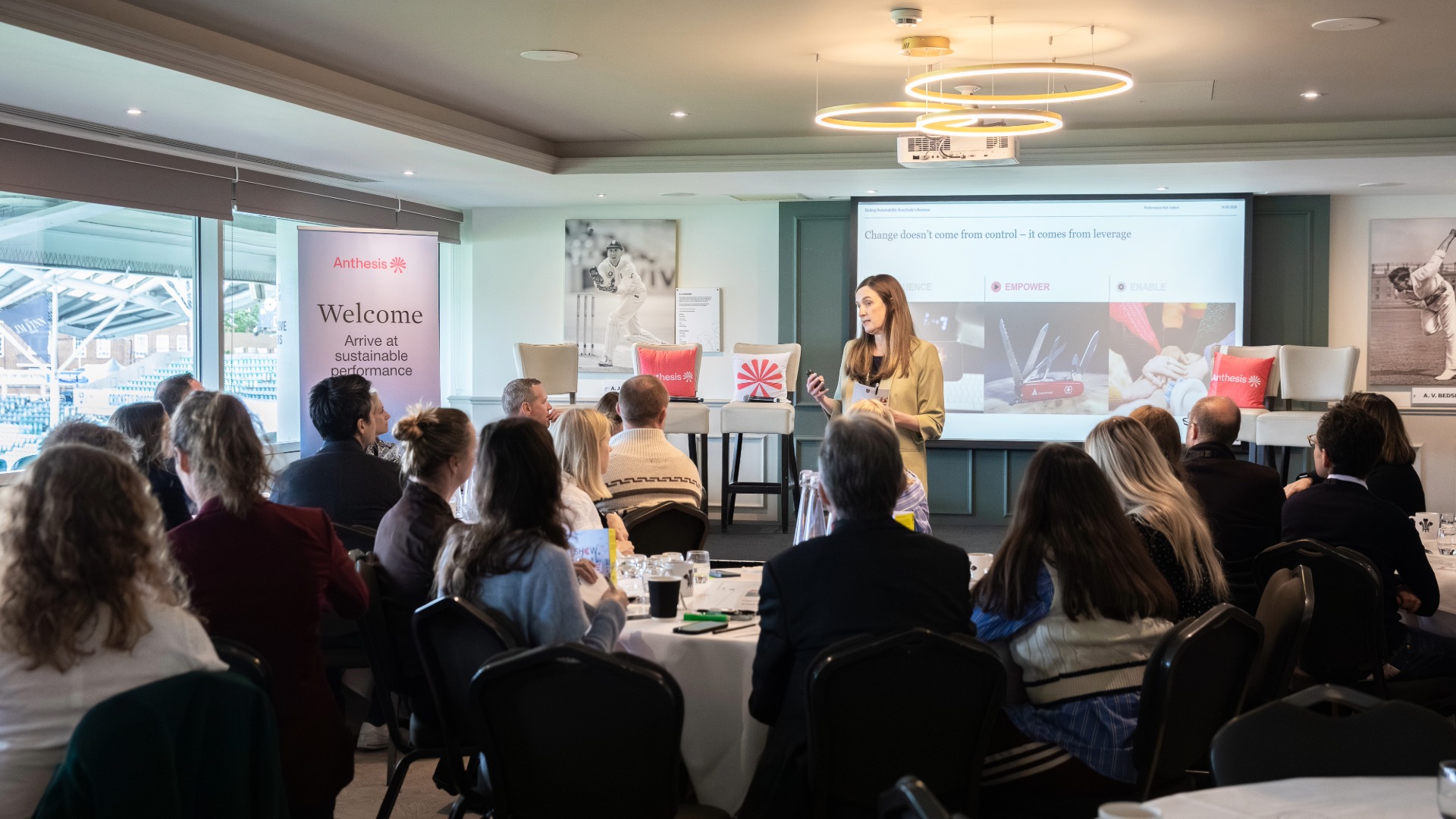
Four concurrent workshops took that discussion into application.
Across circularity, decarbonisation, regeneration and empowerment, the focus shifted from intent to execution. Each session explored what performance looks like in practice.
In the circularity workshop, regulation was reframed from a compliance burden to a source of competitive advantage, emphasising that circularity is now integral to core business performance rather than a parallel agenda.
“Compliance is not a differentiator, if everyone has to include eco design, comply with packaging regulations, and report on EUDR, the real opportunity relates to going beyond compliance.”
– Activator Summit circularity workshop attendee
Meanwhile, in the decarbonisation workshop the group was split into architect and disruptor archetypes. The critical focus was on how these types of teams and personalities can work together, lean into their skillsets and channel enthusiasm to pursue actions.
Understanding each other’s motivation, and improving relationships is key to seeing performance unlocked across the organisation
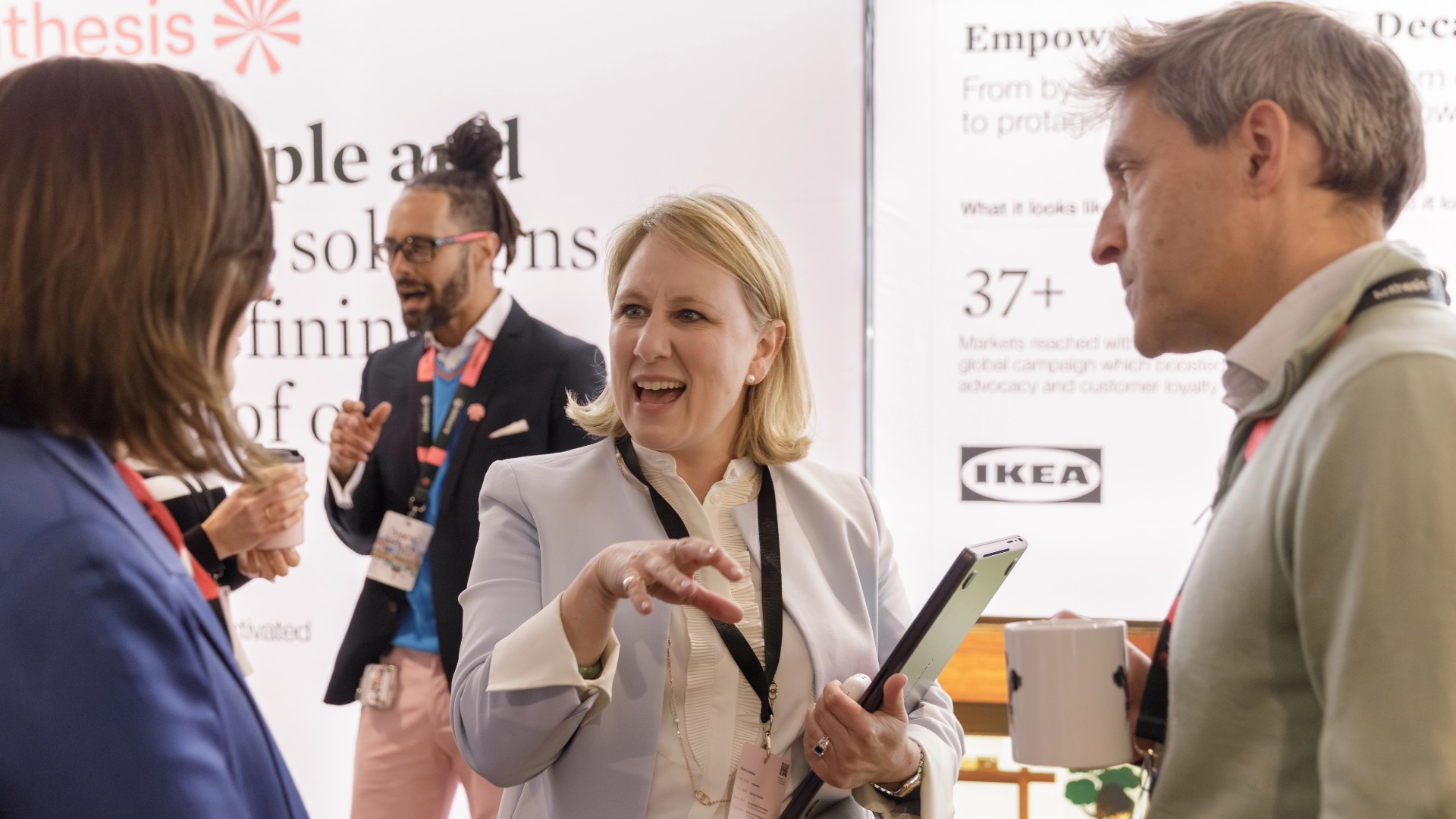
Alongside evidence and execution, the final panel session addressed a constraint many organisations still underestimate.
Communication.
The earlier Shape of Sustainability research highlighted a gap. Sustainability teams often struggle to build effective relationships with marketing, brand & comms functions.
Sustainability is frequently not simple, and it can be hard to tell a story around what is a complex set of criteria. Afraid of greenwashing, marketing teams may fall into the trap of saying nothing at all.
Businesses are not telling their sustainability story frequently enough or well enough. This affects performance.
Revolt’s Olly Lawder took us through a new report being commissioned examining the value of sustainability communications, Show Me the Green.
In partnership with the World Federation of Advertisers (WFA), Oxford Said Business School and Kantar, Anthesis will later this year publish a definitive report assessing what role sustainability communications play in commercial performance.
The panel discussion that followed brought a focus to how leading organisations are approaching this area.
Louise Walton shared how HSBC approaches sustainability communications in a regulated environment, ensuring messages are relevant, credible and connected to audience needs.
Michelle McEvoy (WFA) pointed to examples where sustainability and customer value are closely linked. Programmes that combine environmental benefit with tangible consumer advantage create stronger commercial outcomes.
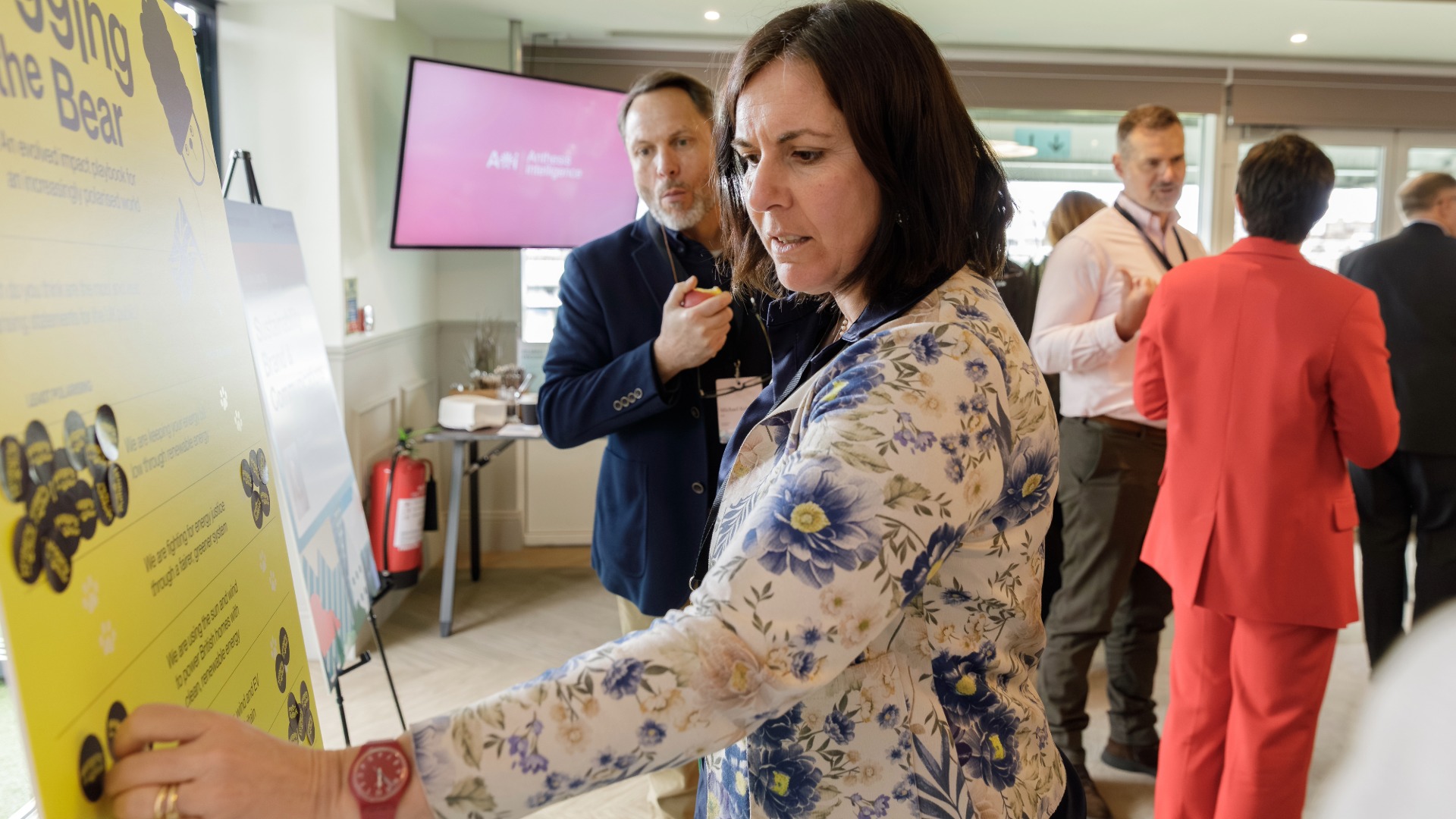
The Hugging the Bear ‘frame game’ reinforced the same point. How sustainability is framed shapes how it is received.
Momentum is not created by activity alone. It is created when sustainability is understood, relevant and actionable.
Sign up here to be the first to receive our new Hugging the Bear report – due out this year.
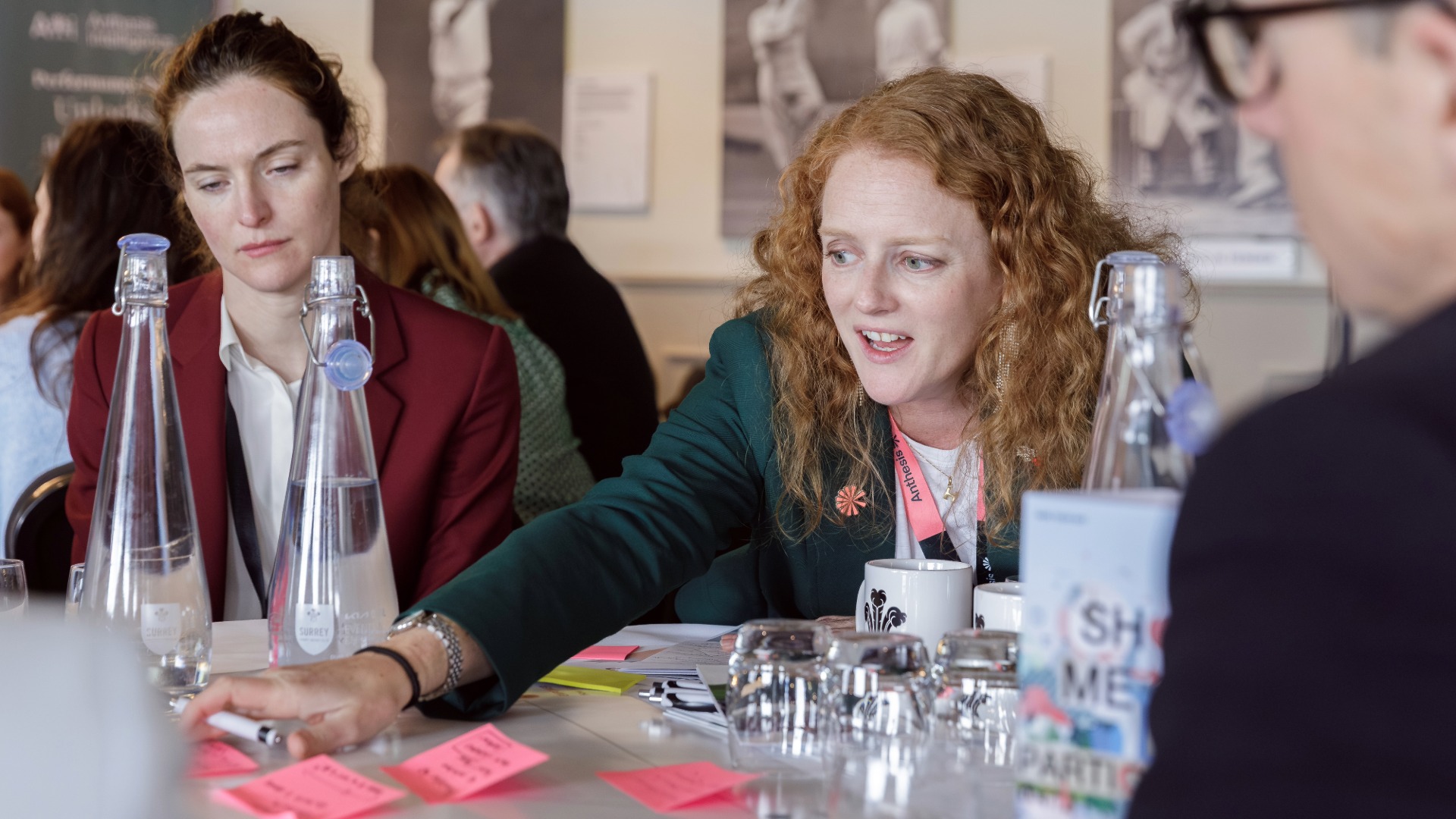
Each year the Activator Summit brings together a community working through a shared set of challenges, underpinned by a sense of hope and optimism.
The idea is not to resolve every question – far from it. With so much expertise in the room both from our network and our guides, each question leads to another.
Here are four of the key themes from the event:
Sustainability is no longer judged by intent or disclosure alone. It is judged by what it delivers.
If you missed out on the Activator Summit, or want to catch up on one of the workshop sessions you can contact us below.
Or take a look at our London Climate Action Week activities (22-26 June), where will be hosting a number of in-person and online events.
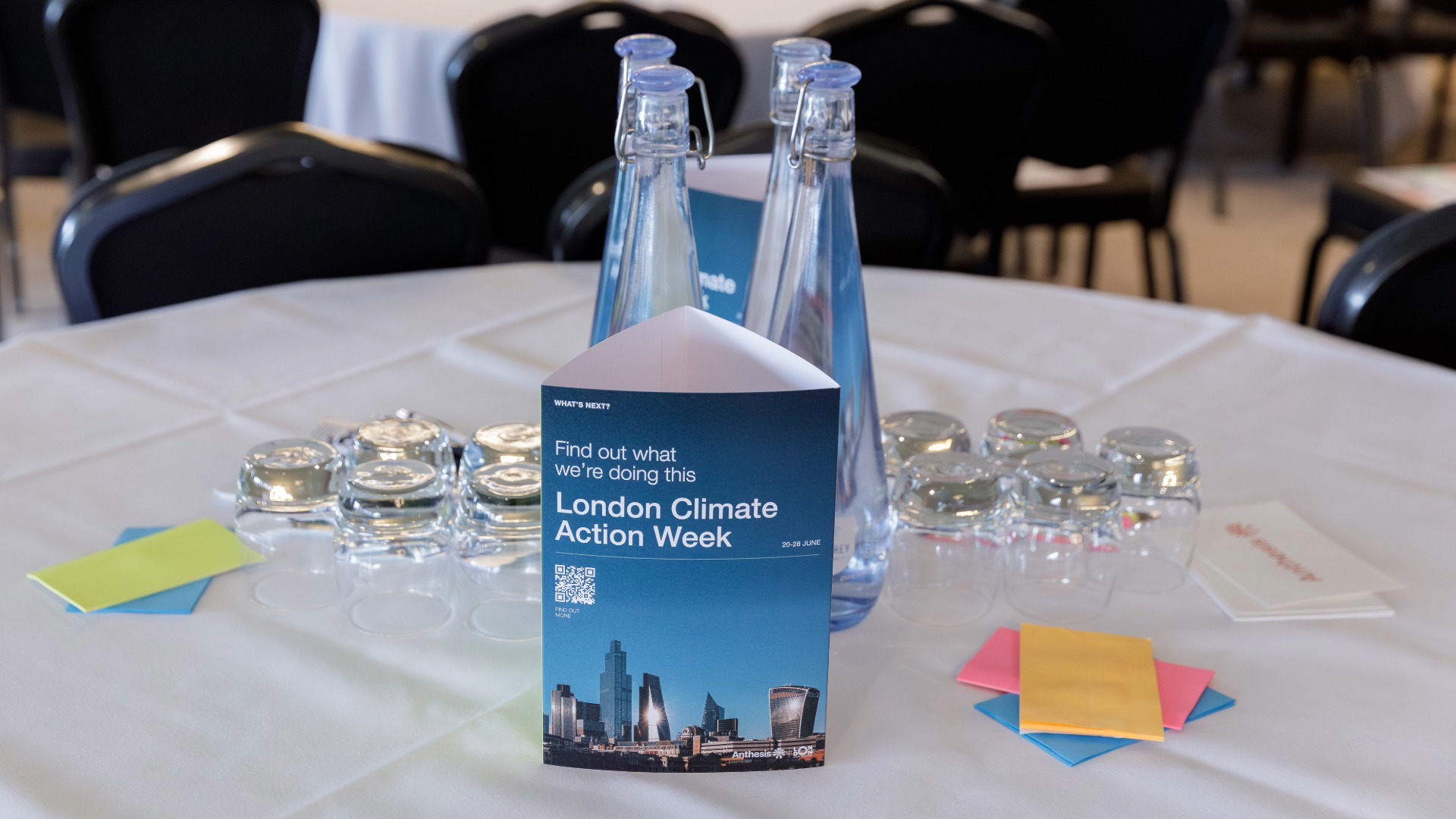
22nd – 26th June | Location: Online / London
Show Me Carbon Performance: What credible carbon action looks like in practice
Show Me Decarbonisation Performance: When BAU Meets Transformation
Show Me Empowered Performance: Unlocking people, partnerships and systems to deliver sustainable change.
Round Table: Show Me Circularity that Works: Designing products and systems for real‑world performance
Show Me PPWR Readiness: From regulatory requirements to operational performance
Show Me Reporting Performance: Turning ISSB requirements into decision‑ready insight
Show Me The Shape of Sustainability: Giving a 360 review to the sustainability function
Download the Hugging the Bear report.

Find out more about The Shape of Sustainability – due out summer 2026.
We are the world’s leading purpose driven, digitally enabled, science-based activator. And always welcome inquiries and partnerships to drive positive change together.