Carbon Guide
March 2025
March 2026
At Anthesis, we continue to see significant shifts across the Voluntary Carbon Market, alongside growing demand for high-integrity climate and nature solutions. As a trusted partner, we develop, own and support a diverse global portfolio of projects designed to deliver credible, measurable impact. This month we are pleased to highlight regenerative agriculture, including our flagship South American Regenerative Agriculture Programme, SARA.
This month’s carbon guide brings together these insights, along with a spotlight on several of our latest projects. We are also tracking important developments shaping how the market is expected to evolve this year. In the near term, activity across the voluntary carbon market is likely to remain relatively muted, as buyers continue to take a cautious and considered approach.
At the same time, we are seeing a more defined distinction emerging between projects recognised for their high integrity and those subject to greater scrutiny. Policy and compliance frameworks are also becoming more influential, with active discussions underway on the interaction between voluntary carbon credits and mechanisms such as emissions trading schemes, carbon taxes, CORSIA and Article 6. Together, these shifts are influencing how organisations assess carbon projects, build credible transition pathways, and make purchasing decisions.
In the News: Key Recent Developments
EU may allow CDR credits beyond 2030
The European Commission is considering whether to allow member states to use carbon dioxide removal (CDR) credits towards national climate targets after 2030. This would aim to strengthen demand for CDR solutions.
IC‑VCM approves three new methodologies
The Integrity Council for the Voluntary Carbon Market has approved three new methodologies related to reforestation, improved forest management and rice cultivation. All are now eligible for the Core Carbon Principles label.
Growing interest in REDD+ in 2026
A UK-based carbon insurance company has reported renewed investor interest in REDD+ projects, three years after the market downturn. Jurisdictional REDD+ is expected to regain momentum later this year and into 2027.
Katingan named top REDD+ performer in 2025
The Katingan project was the strongest performer in the REDD+ market in 2025. It benefited from a ratings upgrade by BeZero in the first quarter and consistent buying activity throughout the year.
Regenerative Agriculture
“If we want agriculture to thrive in the long term, we must stop extracting value from nature and start restoring it. Regenerative farming isn’t just an environmental necessity – it’s an economic opportunity to build resilience from the ground up.”
For far too long, agricultural systems have contributed to soil degradation, biodiversity loss and climate change. As these pressures intensify, the transition to regenerative agriculture is becoming increasingly urgent. But what does regenerative agriculture actually mean?
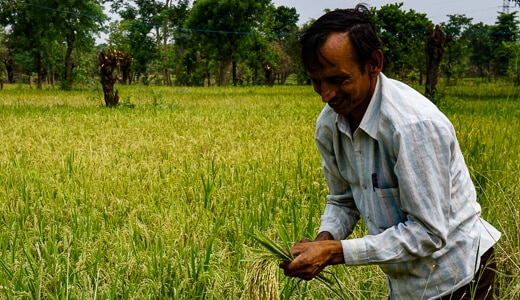
While there is no single, universally agreed definition, regenerative agriculture generally refers to farming practices designed to restore and enhance ecosystem health. It focuses on increasing biodiversity, rebuilding soil organic matter, improving water cycles and strengthening ecosystem services. By working with natural processes rather than against them, regenerative systems aim to create more resilient agricultural landscapes that can maintain productivity while adapting to climate and nature pressures.
However, transitioning to regenerative practices often requires changes in farm management, new knowledge and upfront investments, while the benefits – such as improved soil health, increased carbon storage and greater ecosystem resilience – may take years to materialise. This can create real financial barriers for farmers.
High-integrity carbon markets can help bridge this gap. By generating verified carbon credits from practices that increase soil carbon or reduce greenhouse gas emissions, farmers can receive payments for measurable climate benefits. These incentives can support the transition, enable the adoption of regenerative practices at scale and contribute meaningfully to global climate and nature ambitions.
Regeneration
South American Regenerative Agriculture Programme
Regeneration is becoming a defining force in how land use systems must evolve, and our flagship South American Regenerative Agriculture (SARA) programme shows what this looks like in practice.
Across the region, soil degradation, unpredictable rainfall and climate-driven pressures are creating real risks for farming communities and the value chains that depend on them. SARA tackles these pressures head-on by restoring soil health, improving water retention and increasing the resilience of agricultural landscapes. By supporting farmers to transition to regenerative practices, the programme strengthens yields, improves soil fertility and creates more stable, reliable growing conditions over time.
But regeneration is also about safeguarding the broader natural systems that underpin long-term productivity.
Through SARA, we are helping to reduce pressure on local ecosystems, protect biodiversity and build farming systems that are more resilient to drought, flooding and extreme weather. This work does more than deliver credible carbon outcomes. It supports livelihoods, strengthens supply security and demonstrates how nature-positive approaches can drive durable, enterprise-level benefits. SARA is a clear example of how regeneration can connect climate action with real operational value on the ground.
Key facts
- Over 1 million tCO₂ removals projected annually from 2028
- Improved soil health, water retention, and biodiversity
- Increased resilience and profitability for participating farmers
- Achieved BBB rating by BeZero
- >150,000 hectares contracted
- 500,000 hectares expected under management
Read: SARA – Four Years Of Impact
Portfolio
Explore our projects
Our carbon projects are created to avoid, reduce or remove CO2. They align with the Sustainable Development Goals (SDGs) and support your organisation on its pathway to Net Zero. Please visit our carbon project page to explore the full range of opportunities available.