COP31 Antalya: Why business leadership matters more than ever
Why businesses should remain optimistic in the face of this high-profile setback
23 November 2026

Why businesses should remain optimistic in the face of this high-profile setback
23 November 2026
Negotiations at COP31 have ended without an overarching new agreement to tackle climate change.
In his last COP before stepping down as UN Secretary-General, António Guterres commented that he was “deeply disappointed”.
Like many people, I read the headlines from Antalya and share that sense of disappointment.
The collapse of the COP31 negotiations matters. After a year when climate impacts have become increasingly visible, the world needs progress, not deadlock.
But while the headlines tell one story, they risk obscuring another.
While COP31 may not have delivered the political consensus many hoped for, it would be wrong to conclude that climate action has stalled.
The frameworks that underpin global climate action already exist. Much of the work in Antalya was focused on implementation – from adaptation and finance, to electrification and delivery. The challenge facing governments was not identifying what needs to happen. It was reaching agreement on the pace and scale of delivery.
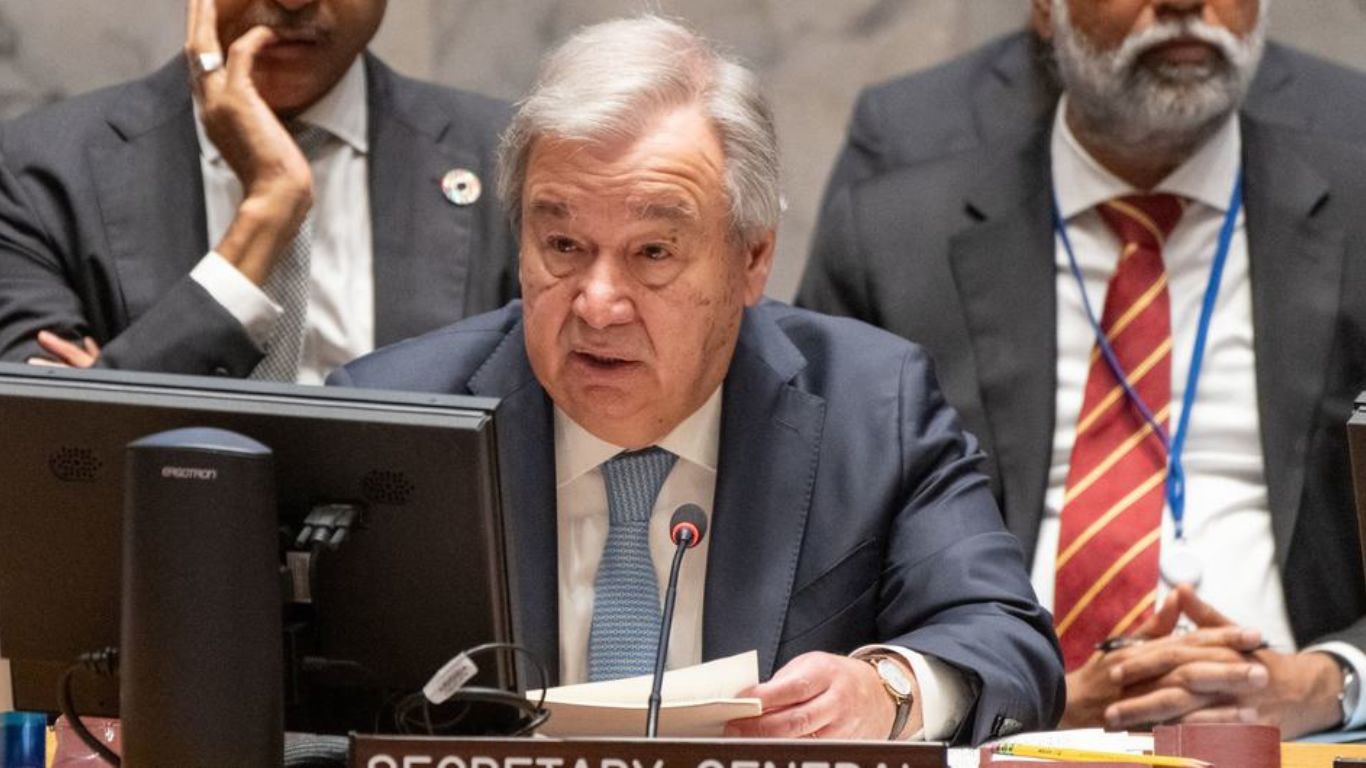
“I share the very profound frustration of all those who expected governments to rise to the moment the climate crisis demands.”
– António Guterres, UN Secretary-General
That failure in policy is a high-profile setback, but progress is increasingly not being driven solely by multilateral negotiations such as COP. The commercial momentum I have witnessed over the past few years has been significant, and is part of the reason I remain optimistic about the future.
Across renewable energy systems, investment decisions are being driven as much by economics, resilience, and competitiveness as by policy commitments. And the same dynamic is beginning to emerge across many other areas of sustainability.
Business must now lead the imperative for change.
In our work with clients, the conversation is progressively shifting away from whether sustainability matters and towards where it creates value, where it reduces risk, and where it supports long-term performance.
This is not to diminish the importance of policy. Businesses cannot build grid infrastructure, reform markets, or solve climate finance challenges alone. Strong policy remains essential to create the conditions for progress.
But neither can business wait for perfect political alignment before acting. That is – and always has been – unrealistic. What remains undeniable are the conditions businesses operate in today, the regulatory requirements they face, and the commercial risks they must navigate.
Climate progress has never depended on a single agreement, a single summit, or a single moment of consensus. The foundations of climate action have been built over years of international cooperation, policy development, regulatory frameworks, investment, and innovation. Those foundations remain firmly in place.
The challenge facing organisations today is not whether these foundations exist, it is how to translate them into action.
“The commercial momentum I have witnessed over the past few years has been significant, and is part of the reason I remain optimistic about the future.”
– Andrew Probert, Chief Delivery Officer, Anthesis Group
In our conversations with clients, very few are waiting for the outcome of the next COP before making decisions.
They are making investment choices today. They are addressing operational risks today. They are responding to customer expectations, investor scrutiny, and market pressures today.
That is why some of the most important sustainability decisions are increasingly being made in boardrooms, capital allocation discussions, and operational planning processes.
This is not an argument that business can replace government. It cannot. Many of the challenges facing society still require policy intervention, public investment, and international cooperation.
But political deadlock cannot become a reason for organisational inaction.
For many organisations, the sustainability agenda is no longer driven primarily by policy. It is shaped by growth opportunities, product and material innovation, operational resilience, and risk management.
In my mind there is an interesting lesson from Antalya: Ambition and agreement matter, but results depend on finding opportunities that can be funded, owned, and delivered.
Boards should ask three questions:
The responses should result in better business decisions and tighter links between finance, operations, and sustainability. We call this the Actionable Edge.
At Anthesis, we help organisations understand both the financial returns and the wider impact generated by these opportunities. The objective is not to treat sustainability and business performance as competing priorities, but to recognise that the most resilient organisations create value through both.
The headlines from Antalya tell an important story. But they do not tell the whole story.
The frameworks exist. Capital continues to flow. Technologies continue to mature. Organisations continue to act.
That is why I remain optimistic despite the disappointment many will feel following COP31. My intention is to help as many organisations as possible take an active – and commercially viable – role in tackling climate change.
The next chapter of climate progress will not be written solely in negotiating halls. It will also be written through the investment decisions, operating models, and innovation choices organisations make every day.
The failure of COP31 to reach agreement is of course significant, but it does not change what business leaders face when they return to work tomorrow morning.
We are the world’s leading purpose driven, digitally enabled, science-based activator. And always welcome inquiries and partnerships to drive positive change together.


