SARA Becomes First Regenerative Grassland Programme in South America to Pay Farmers for Carbon Credits
Anthesis' SARA programme demonstrates how regenerative land management can deliver climate, nature, and livelihood outcomes at scale
26 August 2026
Director Carbon Projects Europe & Latin America
Netherlands
Geert Eenhoorn
Geert leads carbon project development, using over 20 years’ experience in carbon finance and renewable energy to deliver climate-positive solutions and agricultural innovation.
John leads carbon market strategy at Anthesis, scaling high‑integrity carbon finance and developing pathways to Net Zero. With 25+ years’ experience, he has built global partnerships and launched regenerative agriculture projects across Africa and Latin America.
The South American Regenerative Agriculture (SARA) programme has become the first regenerative grazing initiative in South America to deliver carbon income directly to farmers at scale.
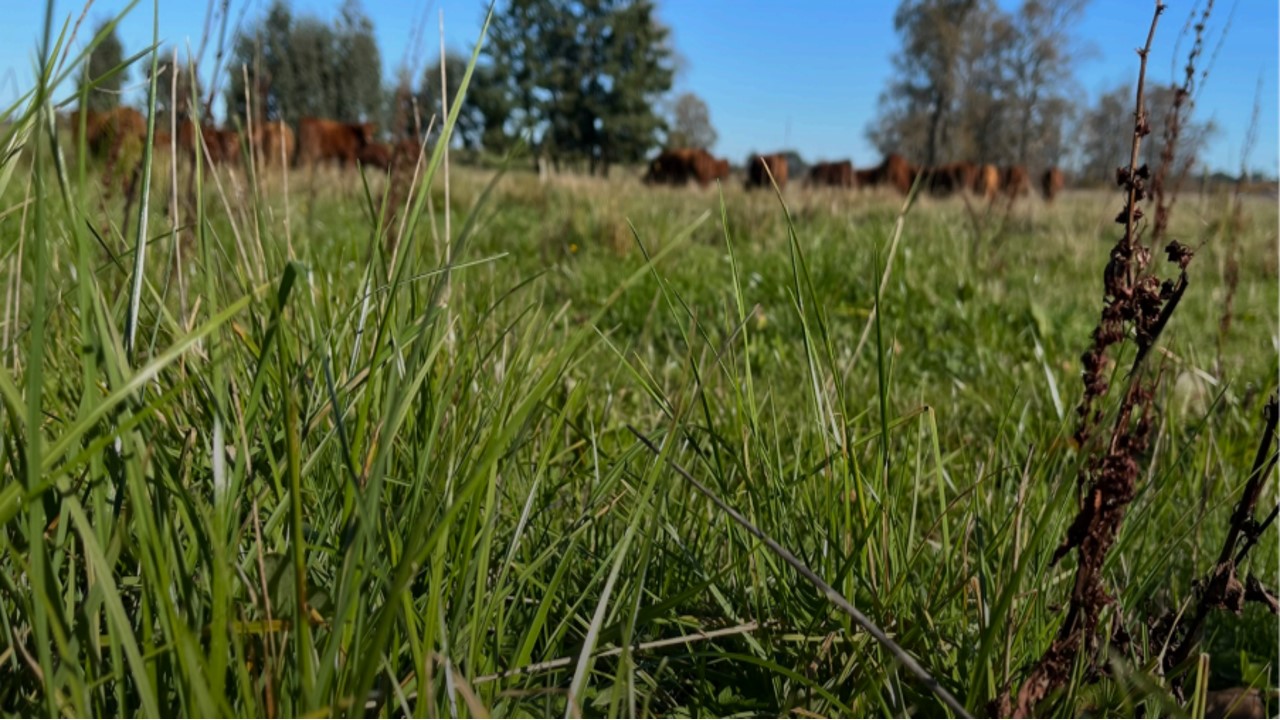
The SARA programme currently works with more than 140 farms – covering nearly 100,000 hectares – to implement regenerative land management practices and restore degraded grasslands. These restored landscapes provide a measurable, nature-positive contribution to global carbon removal efforts while improving biodiversity and strengthening the long-term productivity and resilience of farming systems.
The Verra-certified programme, active across Argentina, Paraguay, and Chile, has now reached a new milestone: paying the farmers in the scheme for the carbon credits generated on their land.
It is the first time a regenerative grazing programme in this region has paid farmers and land managers at scale for their work in sequestering carbon.
This represents both a direct economic benefit for the farming families who have been implementing holistic grazing planning, and a key step in establishing the carbon market as a genuine development tool for agriculture in this region.
Farmer participation and land area are expected to grow significantly as the programme scales toward a target of 500,000 hectares and a goal of surpassing one million tonnes of carbon removed annually by 2028.
SARA has been developed by Ruuts and Anthesis Group. Anthesis is a global sustainability consultancy that contributed with carbon project expertise. Ruuts is a regeneration platform that has worked with livestock farmers across South America for more than 15 years, together with Ovis 21 and its network of field technicians and specialists.
Together, these initiatives form part of Anthesis’ growing global portfolio of Verra-registered nature-based carbon projects, establishing the group as pioneers in this area spanning agriculture, grasslands and landscape restoration.
Carbon: the catalyst for change already under way
Carbon credits are the catalyst for a change we’ve been driving for more than 17 years in South American livestock production. Regenerative grazing has so many benefits that it will eventually become the norm, but we believe this milestone will turn organic growth into exponential growth, because humanity needs it and is willing to pay for it.
Pablo F. Borrelli, CEO of Ruuts
Farmers as protagonists of change
The farmers participating in SARA are pioneers of a new generation of ecosystem service providers, integrating livestock production with soil regeneration. Carbon payments add to the profitability gains they were already seeing from a shift in management, carried out together with Ovis 21 – Ruuts’ network of field technicians and professionals who work directly with farmers.
Farmers receive 60% of programme revenue, with an average return of US$27 per hectare achieved during SARA’s first commercialisation cycle. For an average 800-hectare farm, this creates a significant new income stream, supplemented by the indirect economic benefits of healthier soils, stronger yields, and greater resilience to climate-related risks.
A SARA credit is more than a verified tonne of carbon, it allows businesses to take responsibility for emissions they cannot yet eliminate while helping regenerative agriculture scale. SARA already covers an area comparable to Greater London, and we aim to more than triple that to 500,000 hectares within three years. To get there, we need buyers. The science is rigorous, the results are verifiable, and farmers see the transformation on their land every day.
Geert Eenhoorn, Director of Carbon Project Development at Anthesis Group
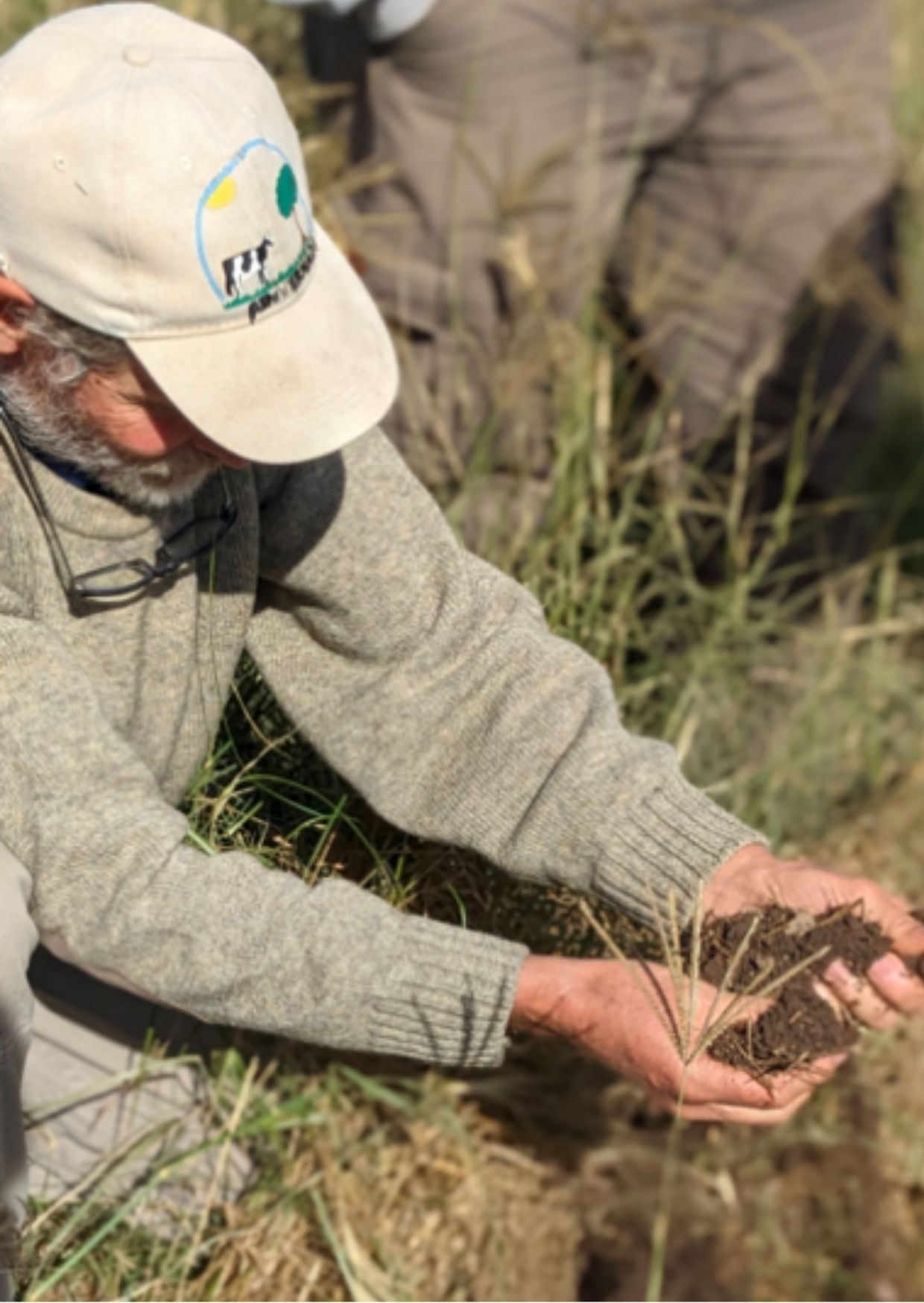
The scheme demonstrates that it is possible to regenerate soil while improving production indicators and gross margin at the same time. Participating farmers receive regular training and intensive on-farm support, including ecological assessments, water infiltration tests, and soil sampling; during the first monitoring period, participating farms recorded a 33% increase in livestock productivity.
Gerardo Fioritti, who runs the La Jota y Los Migueles farms in the Buenos Aires province of Argentina, has applied this type of management since 2019. Planned grazing allowed him to increase the farm’s stocking rate and improve soil and grassland health indicators without the need for inputs.
This regeneration process has translated into concrete results through the SARA programme for the farmer: “We’re enrolled with Ruuts to collect carbon credits, and in fact we already are,” he told us.
“We’ve had very encouraging results, around three tonnes per hectare per year on average of carbon sequestration, and we’re collecting the first credits that were sold this quarter. We’re very happy with the result.”
The programme is based on Holistic Management, a decision-making framework that takes account of the business, the environment, and people’s quality of life – an adaptive approach applied to the specific context and realities of each farm.
Science, data, and field knowledge
Behind every payment is a Measurement, Reporting, and Verification (MRV) system that combines advanced ecological monitoring and robust carbon modelling with farmer-led land management, peer learning, community engagement, and ongoing technical support. This work is carried out through the network of accredited Ovis 21 technicians trained through the Regeneration School and years of mentorship, who provide not only technical guidance to farmers but also measure ecological indicators such as biodiversity, soil cover, water infiltration, and soil carbon.
All monitoring data is recorded via the Ruuts Monitoring App, integrated with remote sensing technologies, enabling a fully digitised Measurement, Reporting, and Verification (MRV) system aligned with the Grassland Regeneration and Sustainability Standard(GRASS). It is this combination of technology and fieldwork that turns every regenerated hectare into a verifiable credit.
A model that is already scaling
A portion of the 210,000 verified credits has already been placed on the market, with US$1.2million (£900,000) generated through the sale of SARA carbon credits in its first cycle. The remaining volume is ready for new buyers.
We’re proud to be leading the delivery of high-quality carbon removals that support clients’ net zero and nature-positive goals. SARA shows what’s possible when science, regeneration, and local communities come together, setting the benchmark for integrity, impact, and scale in the carbon market. It’s a testament to the farmers, field professionals, and partners regenerating land, improving soil health, and strengthening rural livelihoods in the face of increasingly severe climate extremes, and we’re incredibly proud to see these efforts recognised.
John Leppers, Executive Director for Carbon Projects at Anthesis Group
To find out more about the SARA programme or explore collaboration opportunities, please email [email protected].
We are the world’s leading purpose driven, digitally enabled, science-based activator. And always welcome inquiries and partnerships to drive positive change together.