Anthesis has partnered with a consortium of five fashion brands—Reformation, EILEEN FISHER, Everlane, DÔEN, and ZIMMERMANN—to strengthen the environmental data used to assess silk production and to support more informed sourcing decisions. The project included support from Textile Exchange. The data was released this week in the Higg Materials Sustainability Index (MSI), stewarded and governed by the global non-profit alliance Cascale, and available on the sustainability and supply chain intelligence platform Worldly.
Silk represents a small share of global fibre volumes, yet for premium and luxury brands, it can be a significant proportion of their fiber portfolio. Until now, most environmental modelling for silk has relied on secondary literature averages, raising concerns that they may not be representative of current production practices. This gap has been particularly significant given that China accounts for the majority of global silk production, while contemporary Chinese sericulture has been under-represented in existing datasets.
To address this challenge, Anthesis and Textile Exchange convened the brand consortium to conduct an ISO-compliant Life Cycle Assessment (LCA) of silk, with Anthesis acting as dataset creator and technical lead. The objective was to quantify environmental impact using primary data from participating suppliers, reflecting current production practices and enabling brands to identify clear and actionable reduction levers within their Scope 3 footprints.
Collaborative supplier engagement
To ensure regional relevance and data quality, Anthesis partnered directly with seven silk suppliers in China, including four conventional and three organic operations. The assessment followed a collaborative process designed to engage suppliers meaningfully and surface practical improvement opportunities across the silk supply chain.
The work progressed through four structured stages:
- Scoping and alignment: System boundaries, goals, and decision needs were defined in collaboration with participating brands.
- Supplier engagement: Interviews focused on understanding current farming, rearing, and reeling practices, while building trust and clarity on how primary data would inform sustainability roadmaps.
- Primary data collection: Anthesis developed LCA questionnaires to capture detailed supplier provided data across mulberry cultivation, silkworm rearing, and silk reeling processes.
- Validation and feedback: Preliminary results were shared with suppliers for review, validation, and refinement.
The outcome is an ISO-compliant, peer-reviewed assessment, with aggregated environmental profiles for both conventional and organic silk production. The results have been added to the Higg Materials Sustainability Index Life Cycle Inventory database supporting greater transparency and consistency in silk impact modelling across the industry.
“Anthesis was an incredible thought partner, bringing the technical expertise and open-mindedness we needed to build this coalition from the ground up,” said Sanne Butot, Sustainability Reporting Manager at Reformation. “Because silk has such a disproportionate impact on carbon footprints for brands like ours, access to up-to-date data was essential. We are proud to share this work, which gives the industry better data to adapt sourcing strategies and make more informed decisions.”
Key findings
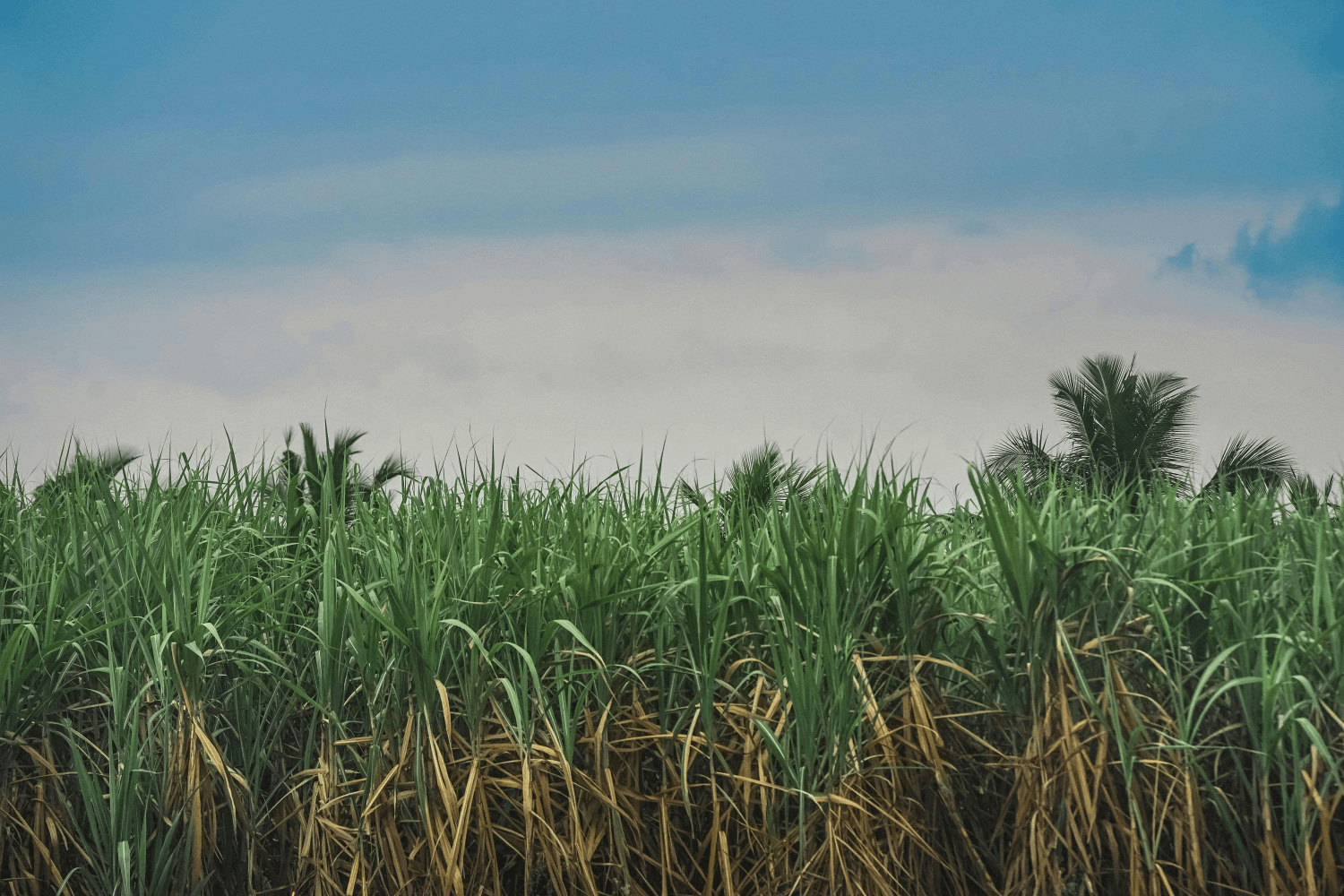
The assessment shows that mulberry cultivation is the dominant contributor to cradle-to-gate environmental impacts in both conventional and organic silk systems. This is particularly evident across climate change, land use, eutrophication, and water consumption impact categories.
Sensitivity analysis identified feed efficiency, measured by the mulberry leaf feed ratio, as the most influential driver of environmental variability. Changes in feed efficiency were associated with impact differences of up to approximately 30 to 35 percent across several categories. The results indicate that improving feed utilisation efficiency and agricultural productivity offers the most material reduction opportunity within silk production.
The study also identified additional opportunities to reduce impacts, including:
- Improving cocoon-to-yarn conversion efficiency during reeling, reducing upstream agricultural demand
- Addressing packaging practices, such as the use of single-use plastics for transporting mulberry leaves and dried cocoons, where reusable systems could reduce fossil resource use and associated emissions
“We are thrilled to be part of this collaborative effort to deepen our collective understanding of a special material value chain,” said Michi Fried, Senior Sustainability Manager at Everlane. “Together with our suppliers and industry peers, we aim to support the development of lower-impact silk fibre production methods.”
Next steps
The participating brands plan to use the findings of this assessment to refine material strategies and to collaborate on investment approaches that support the development of organic and regenerative silk practices.
While this study provides a comprehensive and transparent assessment of environmental impacts, it does not yet provide a complete sustainability picture. Building on this strong foundation, the consortium is exploring a Phase 2 assessment that would extend beyond conventional life cycle assessment to include nature-related and social considerations, such as biodiversity, soil health, and worker wellbeing.
Honor Cowen, Global Head of Retail & Apparel for Anthesis said, “Anthesis is very proud to have been chosen to co-develop this new LCA study with these leading, sustainability-forward apparel brands and with strategic support and input from Textile Exchange. We applaud the release of this work publicly for the industry to use going forward, and are grateful to Worldly and Cascale for including it in the Higg Materials Sustainability Index.”
About Anthesis
Anthesis is a global sustainability firm focused on improving environmental, social, and commercial performance. For this project, Anthesis acted as dataset creator and technical lead, developing regionally representative silk environmental profiles based on primary data from Chinese supply chains.