Climate Week NYC 2026
Reaching for High-Hanging Fruit in the Big Apple
1 October 2026

Reaching for High-Hanging Fruit in the Big Apple
1 October 2026
Every Climate Week has its own feel.
Some become synonymous with major announcements. Others with landmark agreements, breakthrough technologies or high-profile commitments.
Climate Week NYC 2026 may be remembered for something different: this was the year climate change felt personal.
After months of extreme heat across Europe and parts of the US, wildfires in Africa, flash flooding in Asia and a record-breaking El Niño, there were few people attending Climate Week in New York who had not, in some way, personally experienced the impacts of a changing climate this year.
Alongside discussions about policy, investment and innovation were more personal reflections on how heatwaves, worsening air quality, flooding, and rising insurance costs, are affecting people, food systems and communities. Climate change felt less like an abstract future challenge and more like a present reality.
And yet, conversely, Climate Week felt more optimistic than last year’s event – which was mired in concern and confusion instilled by shifting regulations and newly emerging geopolitical headwinds.
At this year’s sessions there was a growing sense of pragmatism. Less debate about whether action is needed – or whether it might even be permitted. More focus on where organisations can create value, build resilience and make meaningful progress despite an increasingly complex operating environment.
This felt like the perfect backdrop for the launch of Anthesis’ latest research, High-Hanging Fruit. Across the week, conversations repeatedly returned to the same challenge: the low-hanging fruit is gone so how do organisations move beyond sustainability initiatives that are already well understood to start pursuing opportunities that can drive growth, strengthen resilience and create lasting business value?
This theme of uncovering hidden value and identifying the opportunities that matter most ran through the sessions at this year’s Anthesis House. We welcomed more than 300 sustainability leaders, business executives, investors and innovators for a week of conversations spanning topics from enterprise risk and nature to healthcare, packaging, communications and value chain .
Additionally, we hosted 42 guest speakers – including leaders from Bayer, Bristol Myers Squibb, Crocs, Dolby Laboratories, Estée Lauder, FedEx, Goldman Sachs, The Hershey Company, L’Oreal, Nestlé, Starbucks and Target.

“This is the year climate change has felt personal.”
– Annabelle Stamm, Anthesis Group, North America
While the perspectives were multiple and diverse, several common themes emerged. Here are six signals from Climate Week NYC that business leaders should be paying attention to now.
Accountability for sustainability outcomes is increasingly moving into the business.
Sustainability teams need to enable functions to own delivery through their existing KPI architecture, acting as expert guides and orchestrators rather than sole drivers.
There was broad recognition that communications is a key strategy to achieving sustainability outcomes, coupled with a sense that the industry needs to reflect on how its own language and approaches may have contributed to disengagement, rather than attributing this purely to political headwinds.
The challenge is to make sustainability more relevant and accessible without losing sight of its underlying purpose.
We are seeing businesses adopt more commercially relevant language to engage different audiences. The themes in our Hugging the Bear report – which explores how to communicate sustainability initiatives in a more unifying way – resonate strongly in this context and are seeing more traction amongst sustainability professionals.
The dominant question is no longer whether sustainability matters, but how companies turn ambition into decisions, investment and measurable business outcomes.
“Pragmatic” stood out as a recurring theme: focus on what works, what can be implemented and what creates value. Conversations are shifting beyond frameworks and targets toward revenue, productivity, resilience, and risk mitigation.
There was also greater focus on how sustainability can contribute to “durable revenue”, a phrase we heard from the Chief Sustainability Officer at Goldman Sachs, and long-term business performance.
Decarbonisation remains central, but there is much greater attention on physical climate risk, adaptation and business resilience.
The fundamental question is broadening from “how do we reduce our impact on climate?” to “how will climate change affect our ability to operate, grow and compete?”.
Nature, land and oceans were one of the official Climate Week NYC 2026 themes. The commercial conversation is increasingly about natural capital, dependencies, risk, investment and value, rather than biodiversity as a standalone environmental topic.
The Taskforce for Nature-related Financial Disclosures (TNFD) has seen 1,150 TNFD-aligned reporters in 2026, representing roughly 112% year-on-year growth.
Nature is becoming more mainstream, driven in part by investors seeking to better understand nature dependencies and financial risks.
AI was highly visible this year, with around 20% of events having AI in the title. AI offers significant potential to improve sustainability analysis, decision-making and delivery, while creating pressures on energy, infrastructure and resources. Clients are navigating both sides of this equation, from data-centre impacts to AI-enabled climate and nature solutions.
A new perspective on the AI and climate debate also emerged. While AI is increasing energy demand, some of the world’s largest technology companies argued that it could also help speed up the transition to a lower-carbon economy. The huge amount of infrastructure needed to support AI is creating demand for clean energy and low-carbon solutions on a scale that could accelerate investment and innovation.
There was also a noticeable sense of AI fatigue, with concern that it is taking up disproportionate space and pulling focus from other material climate risks.
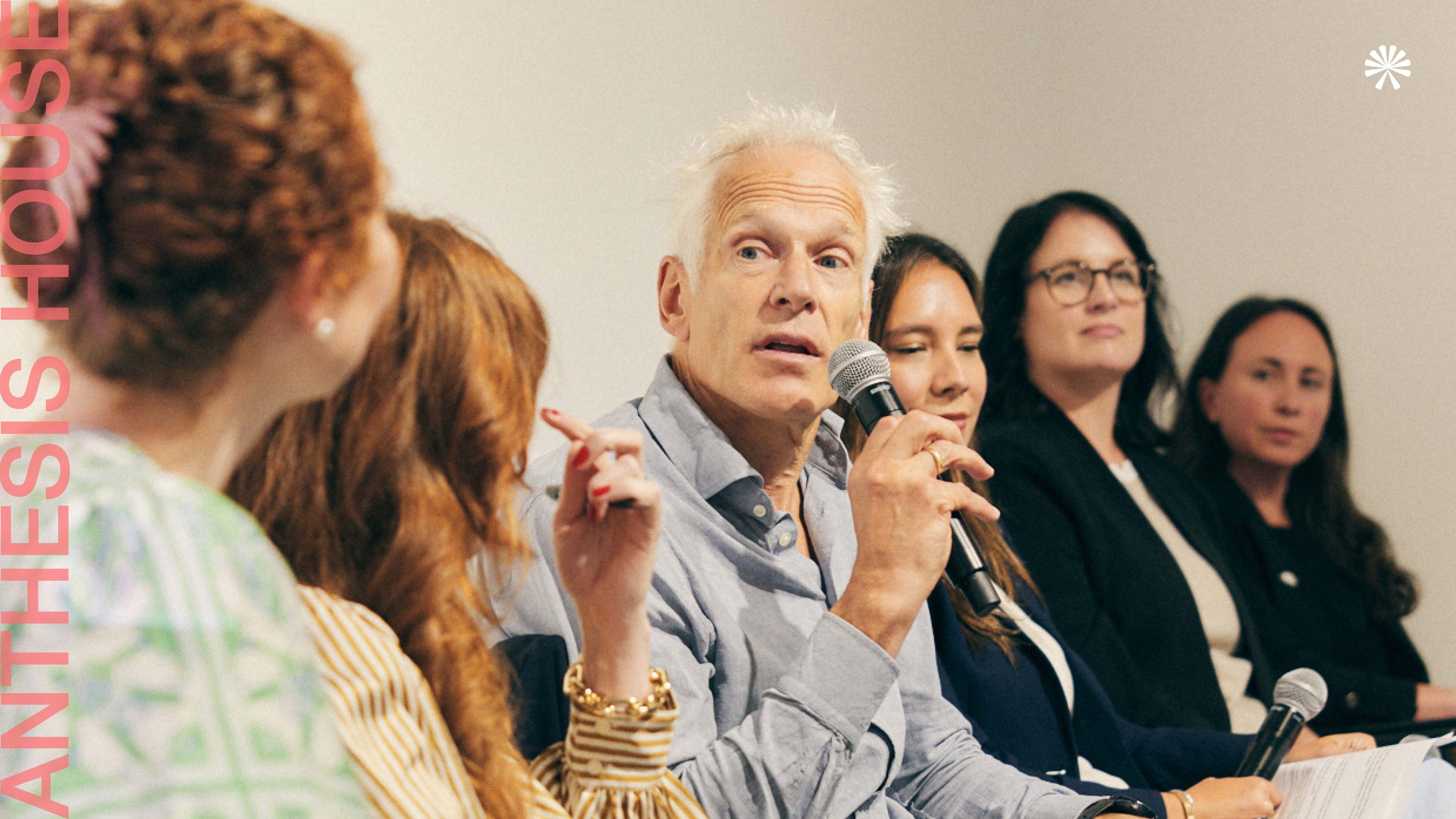
Here is a recap of some of our sessions across the Climate Week NYC 2026
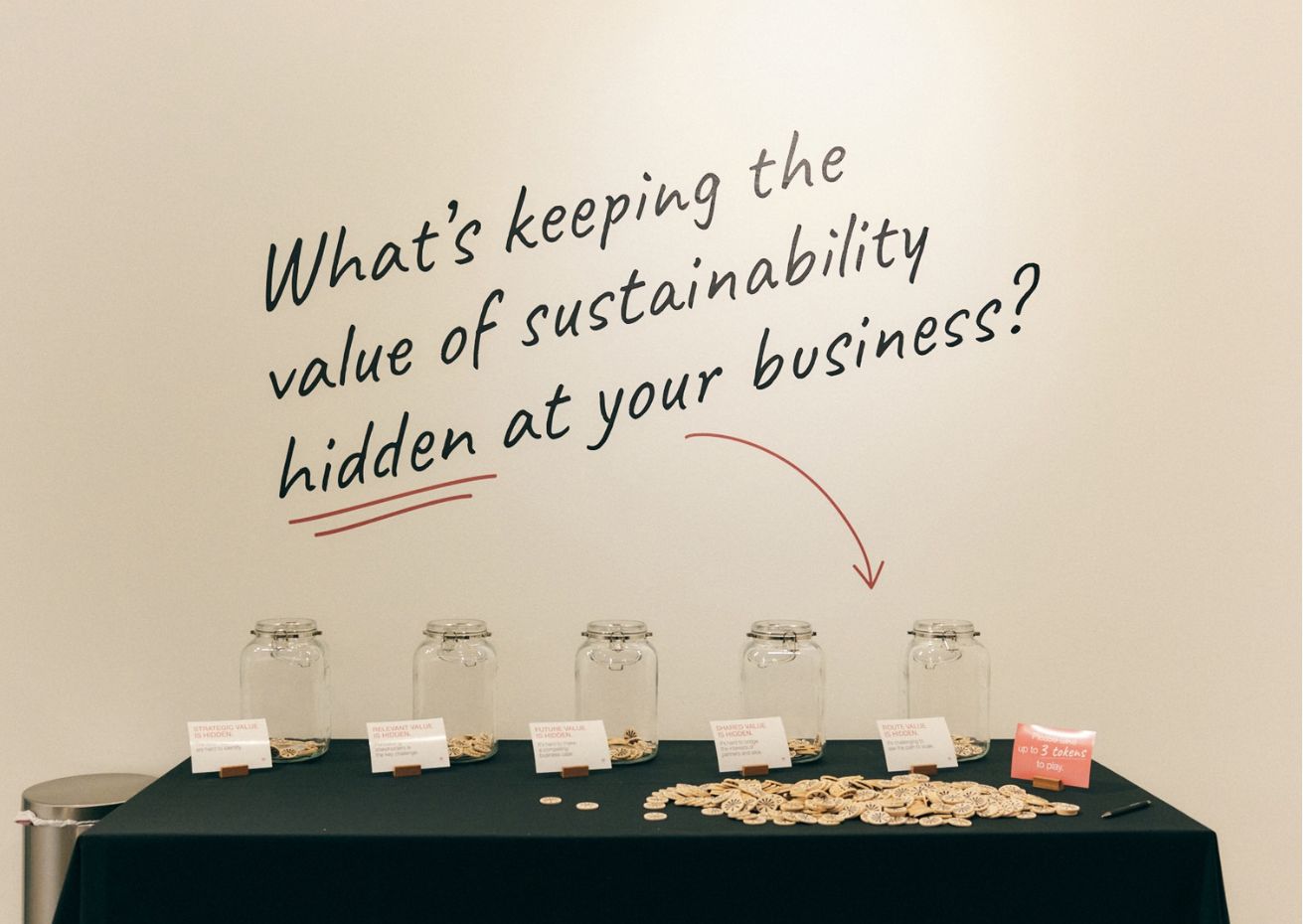
All of our sessions had at their core the ‘hidden value’ concept that was the theme of Anthesis House this year.
This concept underlines our perspective that now the easy wins have been had, companies must identify the next set of value opportunities that can deliver investment and impact returns – what we call ROI2.
Above all, we explored the forces shaping sustainability now, and how to answer today’s complex challenges.
How to embed sustainability into business strategy for investment and impact returns.
Key themes
Drawing on research in Anthesis’ latest report, High-Hanging Fruit, this session explored the opportunities that sit beyond the well-trodden sustainability initiatives that many businesses have already implemented. The session brought together perspectives from investors and business leaders alike on what sustainability leadership looks like in today’s more complex operating environment.
Letitia Webster from Goldman Sachs argued that sustainability can continue to thrive because investors remain focused on long-term value creation and ‘durable revenue’ streams.
What stood out
A recurring challenge from the panel was that sustainability professionals may be making their own jobs harder than necessary by letting perfection be the enemy of the good. There was a general consensus that we should spend less time debating language, and more time helping colleagues understand how sustainability contributes to business priorities.
The discussion also highlighted the importance of creating personal connections across functions, with examples of bringing senior leaders closer to the realities of supply chains and production systems eg. Kristine Libarnes is taking senior leaders at Nestlé to dairy farms to bring sustainability initiatives to life.
The takeaway
Businesses continue to leave value on the table when sustainability remains ring-fenced around reporting, goals and commitments.
The low-hanging fruit is gone. The biggest opportunities now are those at the Actionable Edge – the opportunities which are big enough to move margin, executable with assets the organisation already has, and compelling enough to be funded.
Find out more in our High-Hanging Fruit report.
How leading brands are reshaping sustainability narratives to build trust, relevance and business value.
Key themes
This session saw a takeover of Anthesis House by Anthesis Group’s creative agency, Revolt.
The morning was devoted to exploring how sustainability communications must evolve in an increasingly polarised environment. Drawing from the findings in the Hugging the Bear report, the conversation focused on balancing commercial relevance with authentic purpose, and on finding ways to engage broader audiences without abandoning sustainability goals.
Speakers discussed how sustainability’s role within brand storytelling changes as organisations mature. For some brands, sustainability shifts from being the lead message to becoming a supporting proof point behind drivers such as taste, quality or product performance.
What stood out
Several speakers argued that sustainability should not be framed as something separate from business performance. Instead, it can act as an accelerant for growth, customer engagement and brand relevance. The discussion also explored how brands can attract new audiences without alienating existing purpose-driven consumers.
The takeaway
The challenge is not whether organisations communicate about sustainability, but how they do it. Organisations that connect sustainability to issues audiences already care about are more likely to build trust, relevance and long-term engagement.
Download the Hugging the Bear report now.
How to combine performance and impact at the Actionable Edge

Key themes
Anthesis’ first live recording of Purposing brought together sustainability leaders to reflect on the conversations shaping Climate Week NYC and the future direction of the function.
We heard searingly honest perspectives from the panel on where they were still facing barriers, and how they were pushing forwards with sustainability in their sectors.
What stood out
One phrase captured the mood of the week: sustainability professionals must be “friendly ninjas” in an organisation, spending their days “zig-zagging” across the business. The comment from Opella’s Chief Sustainability Officer, Marissa Saretsky, reflects a new understanding that leaders must be nimble, and must discard previously siloed ways of working. The key to success now is understanding what the business needs are and how sustainability can bring value to those aims.
We learned top tips on how to become best friends with the CFO, and how a sustainability leader should never under-estimate the power of a pilot scheme.
The takeaway
The facts remain the same, yet the conversation has matured: sustainability now needs to spend less time on the moralistic case, and more time on the business case.
Listen to Purposing Live from Climate Week NYC to hear the conversations that were taking place across the week this Climate Week.
How leading companies connect sustainability, geopolitics and materiality to resilience and growth.
Key themes
The discussion covered climate, water, regulation, supply chain resilience, consumer trust and resource availability, with broad agreement that these issues now influence core business decision-making.
The discussion emphasised the need to move sustainability risk from a parallel process into existing enterprise risk management, finance and strategy processes.
What stood out
Perhaps surprisingly, the conversation spent relatively little time on disclosure and compliance. Instead, discussions focused on operational continuity, long-term planning and commercial resilience. There was strong alignment around the need to spread ownership of sustainability-related risks throughout the business rather than leaving them solely with sustainability teams.
The takeaway
Make sustainability risk decision-useful. The organisations making the most progress are translating sustainability challenges into financial and operational outcomes that business leaders already understand and manage.
How businesses are using circularity to reduce material risk, strengthen resilience and create new sources of value.
Key themes
The discussion highlighted how critical materials are rapidly becoming a business resilience issue, not just a sustainability issue. The conversation moved beyond recycling and waste towards supply risk, procurement exposure, material availability and long-term competitiveness.
Panellists explored how circularity creates value at different points in the system, from product life extension, refurbishment and asset recovery through to the reverse supply chains, buyer demand and infrastructure needed to recover materials at scale. The business opportunity lies in identifying where the greatest material risks exist and where circular interventions make commercial sense.
There was also broad agreement that no single company can solve these challenges alone. Progress depends on stronger collaboration between buyers, OEMs, recyclers, logistics providers and policymakers to overcome barriers such as fragmented data, reverse logistics, quality requirements, processing capacity and a lack of coordinated demand.
What stood out
Rather than being viewed as an environmental end goal, circularity is increasingly seen as a way to retain products and materials at higher value, reduce exposure to constrained supply, create new services and build new sources of secondary material.
The takeaway
Business leaders should not begin by asking, “What can we recycle?”. Instead, they should start by asking which materials are critical to their products or operations, where they are most exposed, where investment opportunities exist, and where reuse, refurbishment, recovery or secondary supply could reduce that risk.
Once those questions are understood, circularity becomes a much more compelling business proposition, with stronger links to procurement, resilience and long-term commercial value.
How healthcare leaders are building the business case for sustainability initiatives that drive growth and margin.
Key themes
This session focused on one of the most pressing challenges facing healthcare: how to deliver better outcomes for patients while reducing environmental impact and building resilience across increasingly complex systems.
There was a lot of recognition in the room that no one organisation can solve these challenges alone. There was a real sense that there is an opportunity to move beyond individual commitments and start sharing solutions, data, approaches and learnings across the value chain in the sector.
There was also an interesting discussion around leading with values. Healthcare is an inherently mission-driven sector, so leaders talked about how connecting sustainability back to organisational values and purpose can be a powerful way to align internal stakeholders and build support for investment. The sector has a responsibility to remain committed to improving society and the planet for the patients and communities it ultimately serves.
What stood out
The conversation reinforced just how interconnected healthcare sustainability has become. Environmental, social and economic outcomes are no longer viewed as separate considerations. Organisations are increasingly recognising that patient outcomes, resilient supply chains and sustainable operations depend on tackling these challenges together.
The takeaway
Progress will depend less on individual actions and more on collective action. Organisations that build partnerships across the healthcare ecosystem will be best placed to create long-term value and improve outcomes.
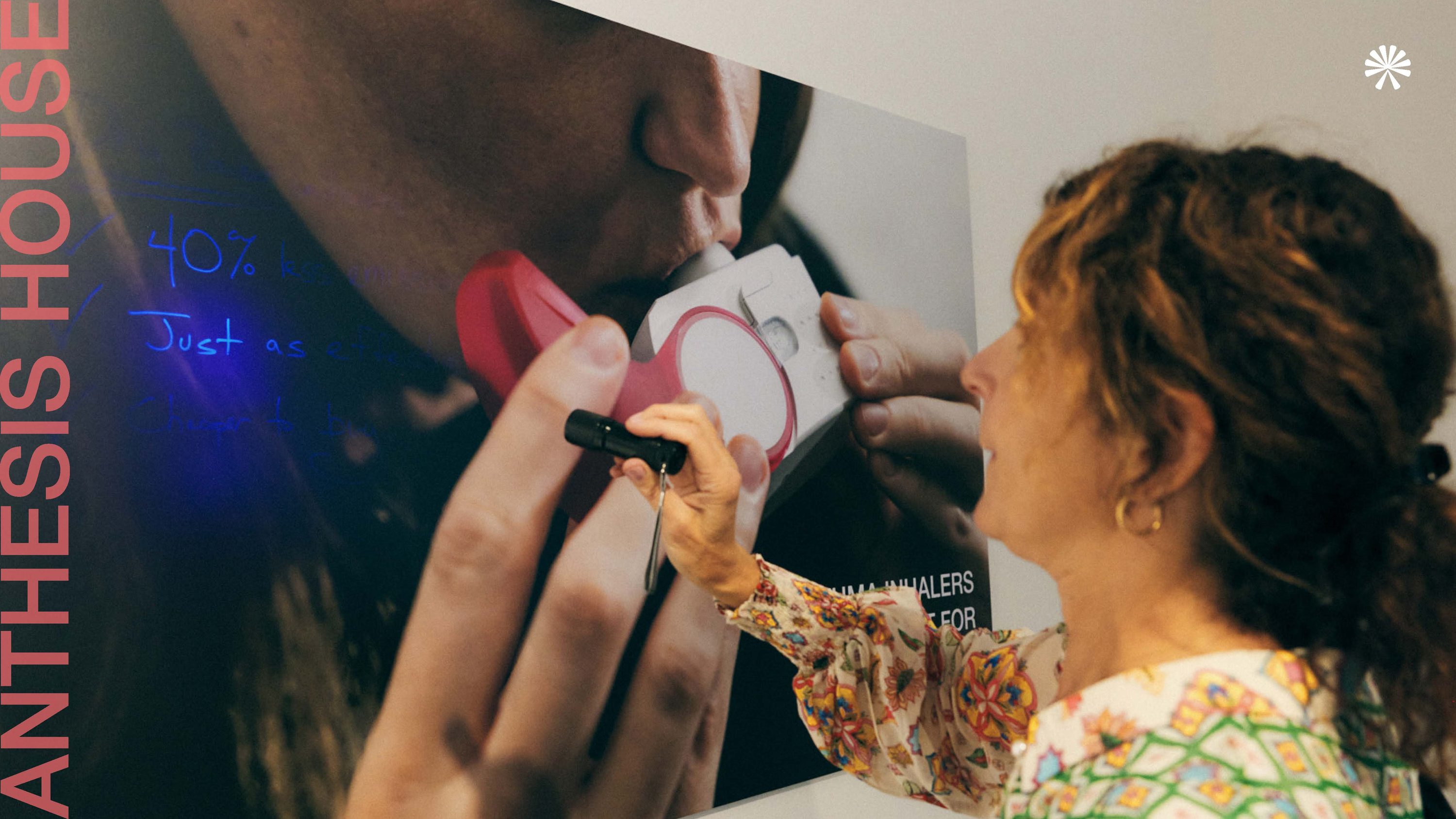
How technology leaders use Scope 3 and materiality insights to strengthen supply chains, reduce risk and drive value.
Key themes
In this session, we found it remarkable how little frustration there was from the panellists as they discussed progress and barriers. We’re at a point in the industry where practitioners have been in these seats for many years and have a very clear understanding of the direction in which they’re working through their challenges. There was more success highlighted than “this isn’t happening” examples.
There was consistent agreement across panellists, particularly Cisco, Infineon, and Flex, who sit at different points in the electronics supply chain, but seem to have arrived at a similar sense of where the space needs to go on data alignment.
Supply chain data, and more specifically the quality of that data, is increasingly linked to business decision-making. Sustainability teams are using specific data points to influence decisions that affect revenue and profitability, making data one of the key ways they can demonstrate value within an organisation. The conversation focused on how data is an input to business decisions, rather than as a tool for compliance.
What stood out
Perhaps the biggest surprise was what didn’t dominate the discussion. While AI featured heavily throughout Climate Week, it barely surfaced during this session. Instead, experienced practitioners focused on practical approaches to improving data quality and making better decisions with the information already available.
The takeaway
Data creates value when it influences decisions. The organisations creating the greatest impact are using high-quality sustainability data to strengthen supply chains and support more informed business decisions – and by extension drive product and services decisions.
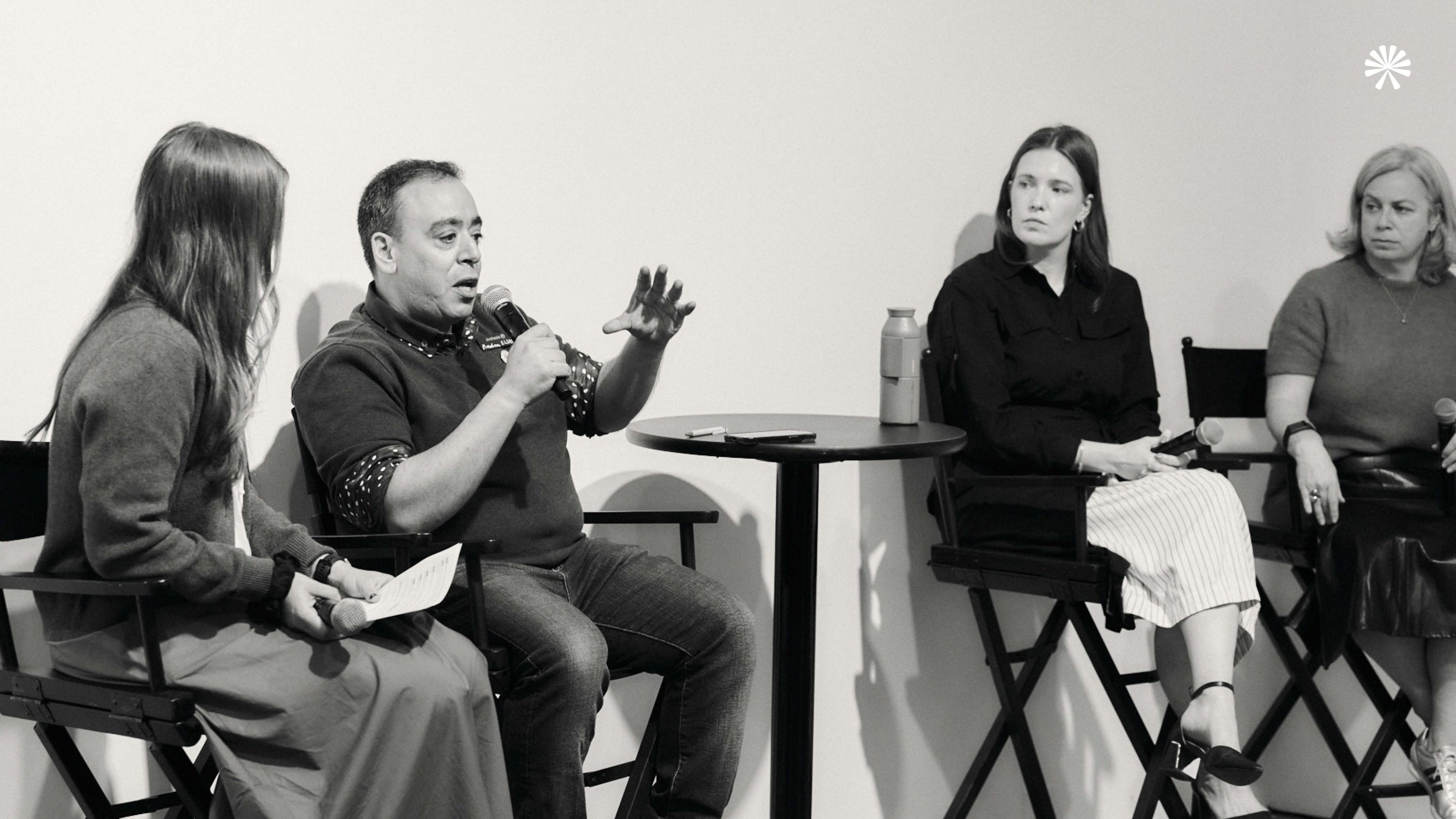
How packaging compliance can reduce costs, strengthen customer value and create competitive advantage.
Key themes
This session explored how organisations can use packaging regulation as a catalyst for broader business value. Discussion centred on governance, accountability and the growing need for organisations to align internally as packaging requirements become more complex and interconnected across markets.
Speakers noted that while regulations may be local, their implications are often global. Packaging therefore requires closer coordination across teams, stronger data management and greater strategic alignment throughout the organisation.
What stood out
A notable insight was the risk of becoming too focused on compliance itself. While regulation remains important, speakers emphasised that customer needs and broader strategic priorities must remain at the centre of decision-making.
The takeaway
The organisations creating the greatest value are treating compliance as a strategic lever. Pro-active planning, strong governance and better data can help organisations move beyond compliance and uncover opportunities to reduce costs, improve customer outcomes and strengthen competitiveness.
Practical insights on integrating nature into enterprise risk, business strategy and long-term value creation.
Key themes
This session explored how investors increasingly view nature as a core business dependency rather than a standalone sustainability topic. Discussions focused on natural capital, valuation, enterprise risk and the growing need for organisations to understand how their business models rely on natural systems.
A recurring theme was that nature is essential infrastructure which businesses have historically treated as free. Speakers encouraged organisations to identify and quantify the natural systems they depend on most and to consider how those dependencies affect long-term value creation.
What stood out
One particularly compelling insight was that the bottleneck is no longer data. It is translation. The challenge increasingly lies in helping finance leaders, investors and executives understand how nature-related risks influence valuation, future earnings and business resilience.
The discussion also reinforced the growing importance of prioritisation. Organisations do not need perfect information before taking action. Focusing on the most material sites, commodities, geographies or dependencies is often a more effective starting point.
The takeaway
Change moves at the speed of trust. Nature is infrastructure and so are relationships. They’re what a world that is regenerative and distributive by design gets built on, and what sustains those of us building it.
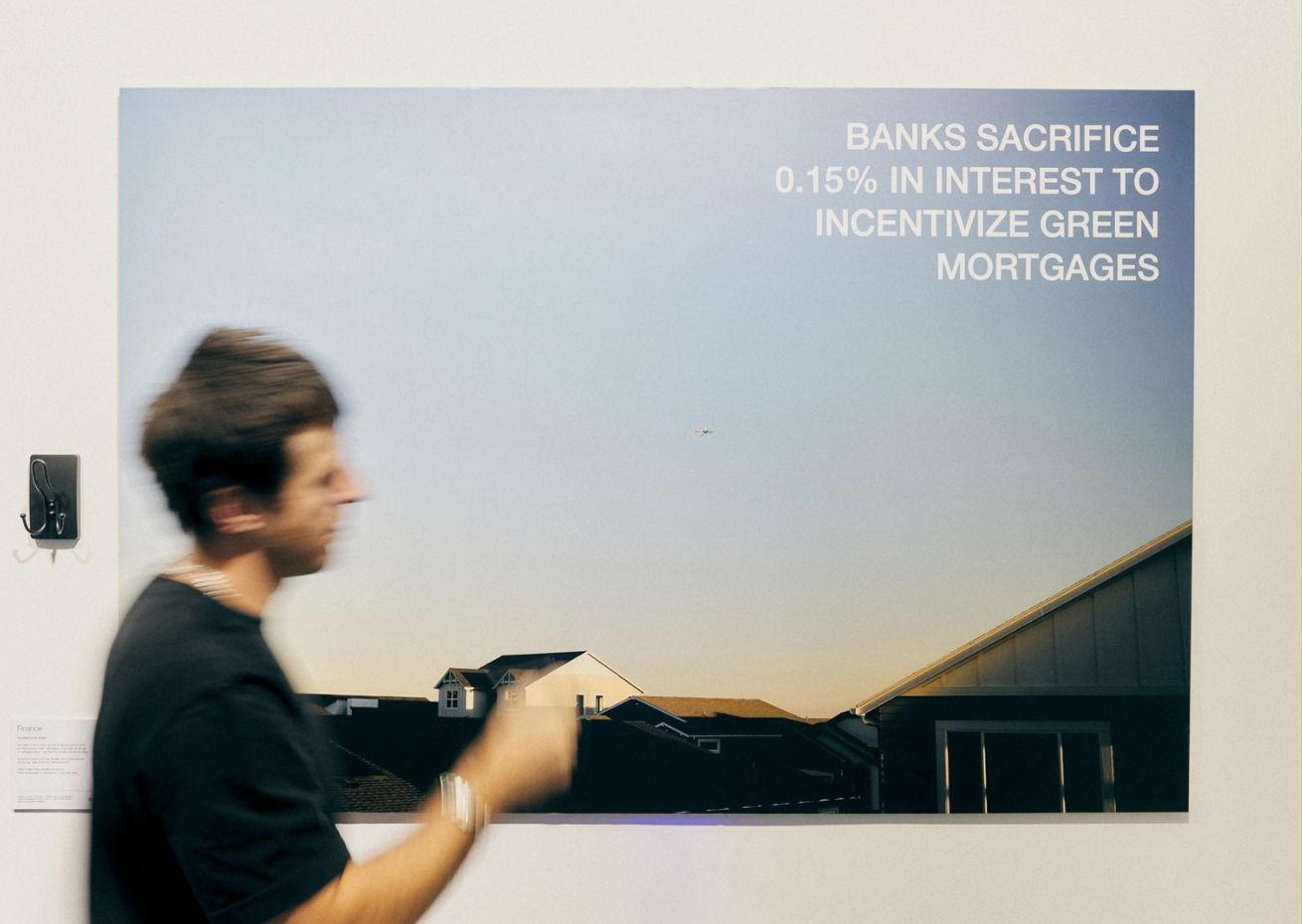
Across twelve sessions and dozens of speakers, there was no single defining announcement or breakthrough moment at Climate Week NYC 2026. Instead, this year felt like a much-needed checkpoint in the wider evolution of sustainability.
The conversation has become more practical, more integrated into business decision-making and more focused on value creation. Sustainability is increasingly being judged not by ambition and commitments alone, but by its contribution to resilience, competitiveness and long-term performance.
In that respect, the mood at Climate Week was both realistic and optimistic. Realistic about the scale of the challenge ahead. Optimistic about the opportunities that remain available to organisations willing to act, if they are just ambitious enough to reach out for the next most valuable opportunity.
We are the world’s leading purpose driven, digitally enabled, science-based activator. And always welcome inquiries and partnerships to drive positive change together.


